Crocodile photography has become one of the most distinctive parts of my travels and wildlife encounters. Crocodiles have fascinated me for years. They are not simply dangerous reptiles, but extraordinarily successful survivors whose lineage reaches deep into the age of dinosaurs. Their ancestors belonged to the Crurotarsi, a group that appeared more than 200 million years ago and once displayed a diversity far greater than the crocodilians we know today.
My travels have brought me into contact with crocodiles again and again. With every encounter, curiosity grew into fascination, and fascination eventually became something close to an obsession. Today, when I plan an expedition, the possibility of seeing, observing or photographing these remarkable animals is never far from my mind.
Media / Forbes
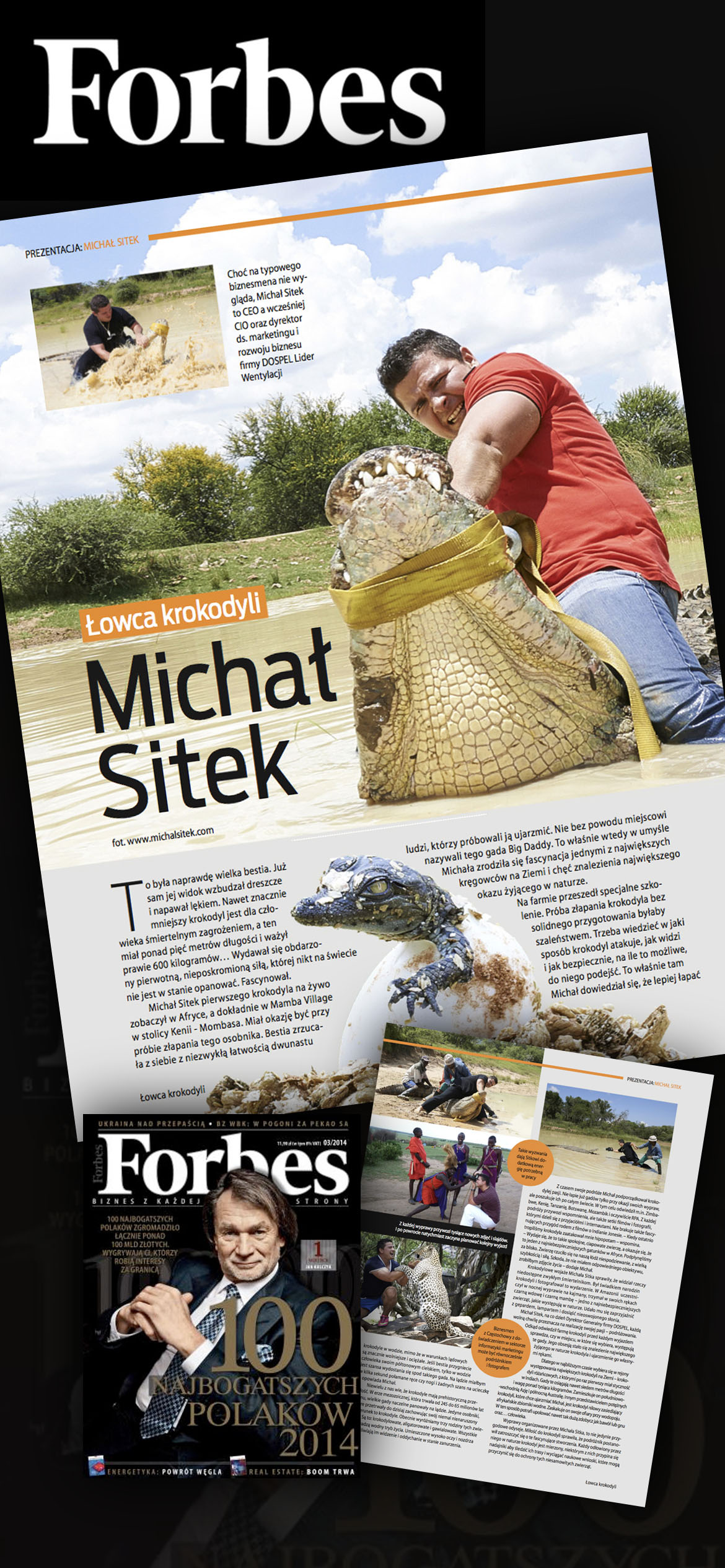
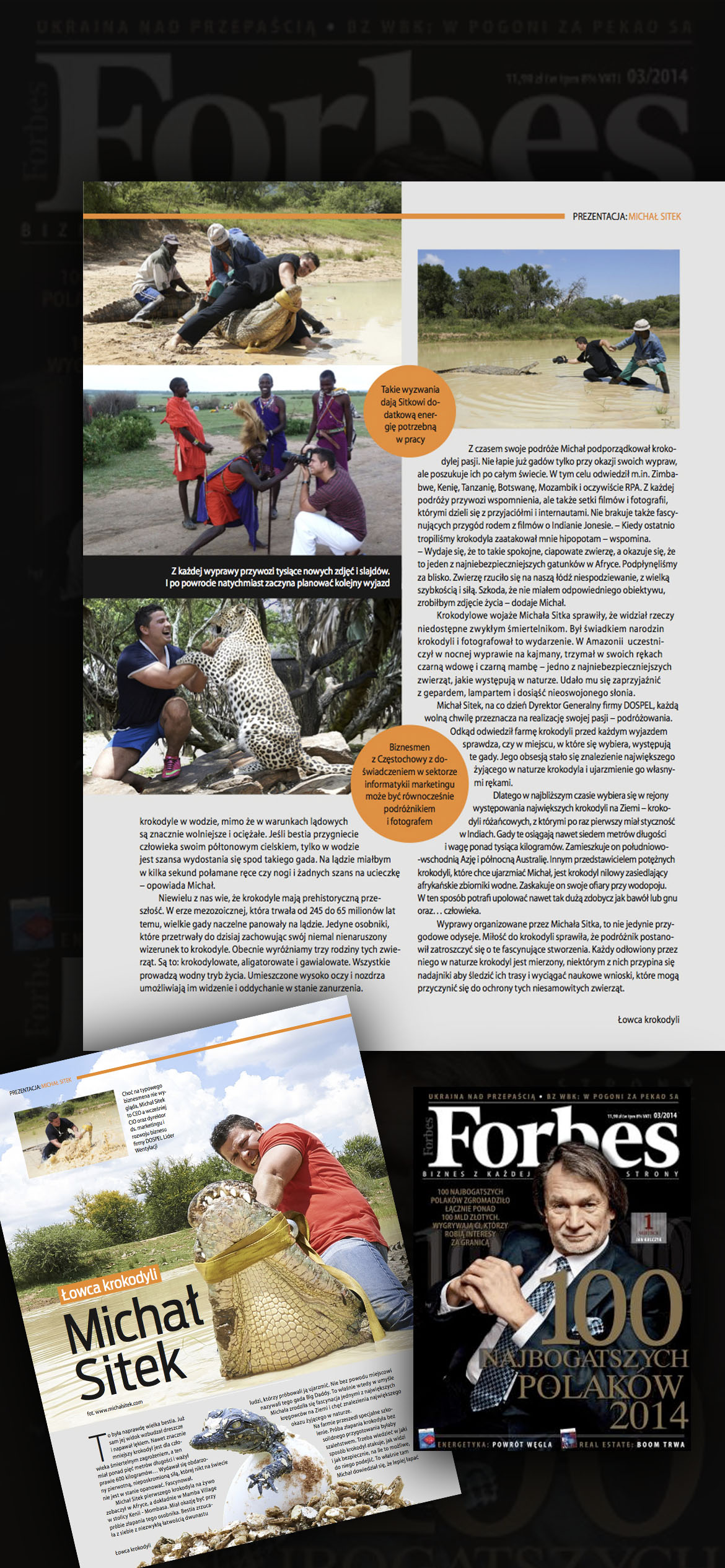
When Forbes Told The Story
Long before this page existed, Forbes wrote about the part of my life that has always been difficult to separate into neat categories: travel, photography, business, wildlife and the need to keep looking for experiences that are slightly outside the ordinary. Crocodiles naturally became part of that story — not as a stunt, but as one of the passions that kept returning from one journey to the next.
What I value most about that article is that it captured something I still believe today: passions do not have to compete with one another. Travel can lead to photography, photography can lead to wildlife, and curiosity can turn a single encounter into an obsession that stays with you for years.
Forbes — the beginning of a story that connected travelling, photography and a fascination with crocodiles in one feature.
The second part of the Forbes feature — a reminder that several passions can become one story when they are lived at the same time.
Looking back at it today, I like the fact that nothing had to be forced into a single label. Entrepreneur, traveller, photographer, wildlife enthusiast — they were never separate roles. They were simply different sides of the same curiosity.
Evolution
Survivors From Another Age
The story of crocodilians stretches far beyond the animals we see today. Their distant relatives appeared during the Triassic, when members of the Crurotarsi occupied many ecological niches. A major extinction event near the end of the Triassic eliminated much of this diversity and dinosaurs became the dominant land vertebrates.
The crocodilian line survived by adapting to safer ecological niches around rivers, lakes and wetlands. Over millions of years, armour, powerful jaws, a muscular tail and a semi-aquatic lifestyle became the foundations of an exceptionally durable design.
For me, every crocodile encounter feels like standing beside a living fragment of evolutionary history.
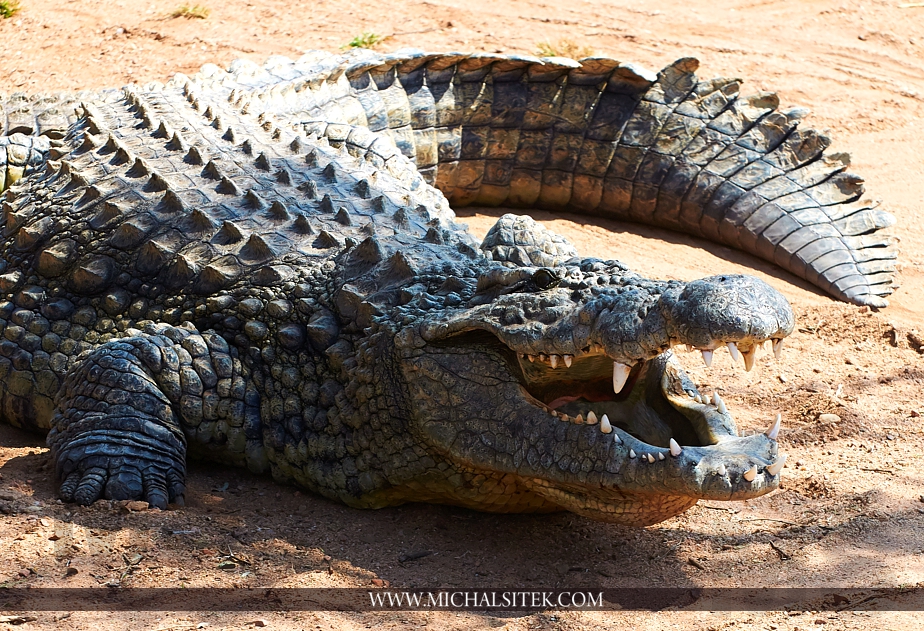
A powerful adult crocodile — a body designed for ambush, armour and explosive movement.
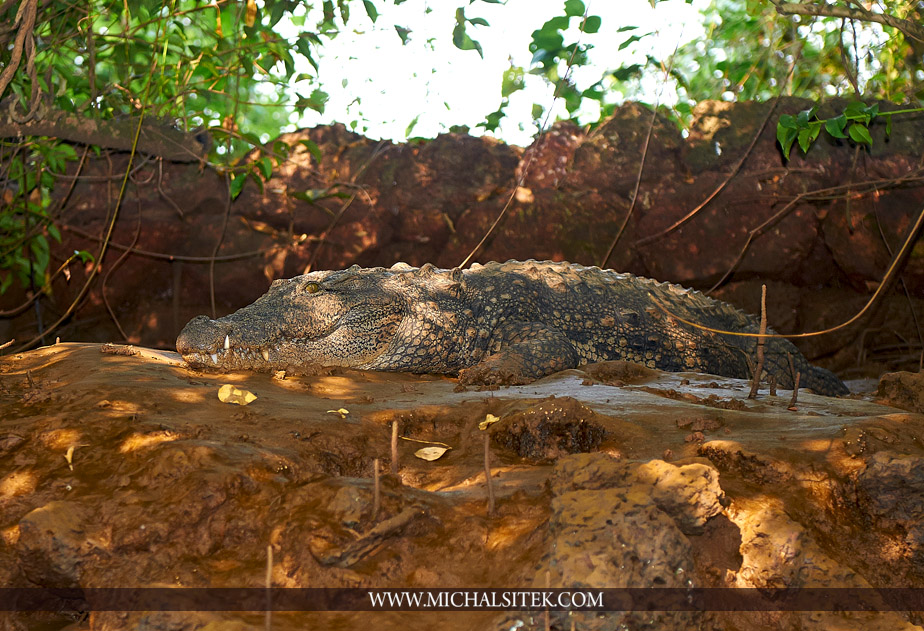
Crocodiles spend much of their lives conserving energy, waiting for the exact moment when movement matters.
Anatomy
Designed Around The Jaws
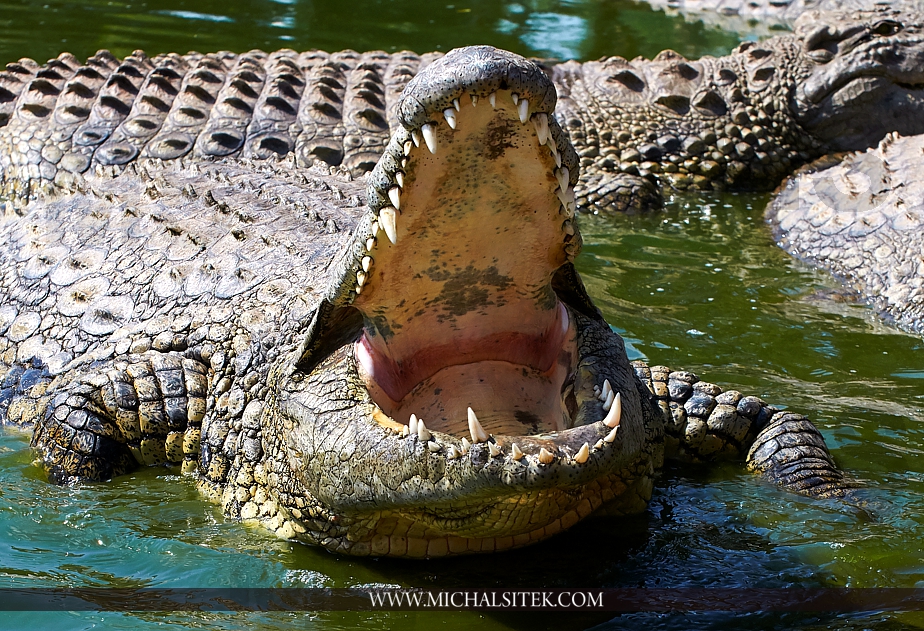
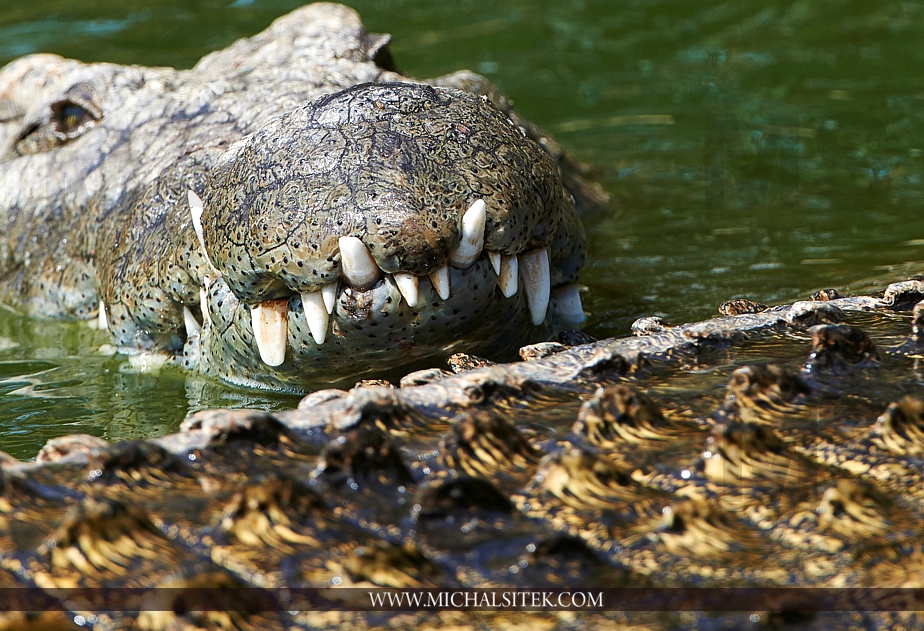
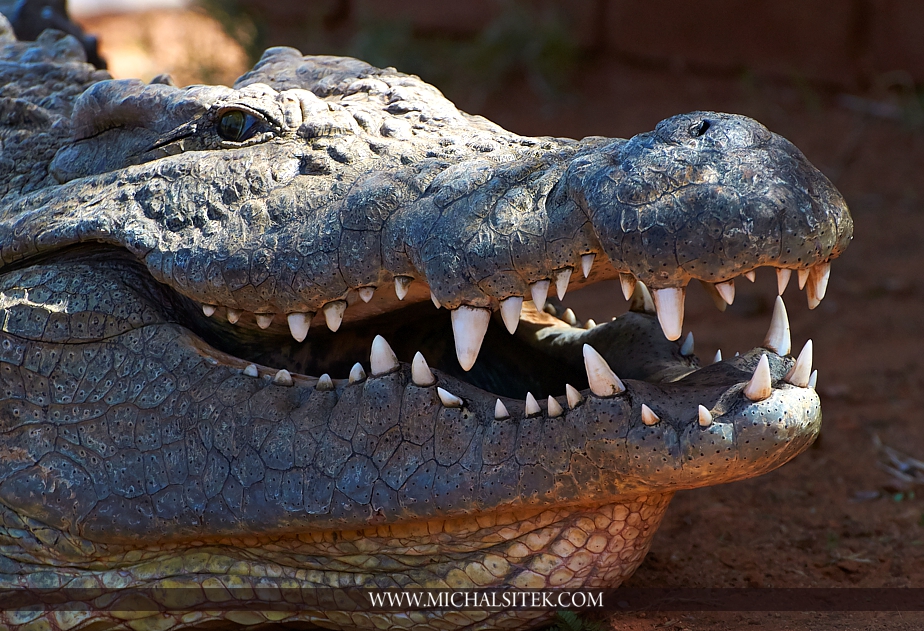
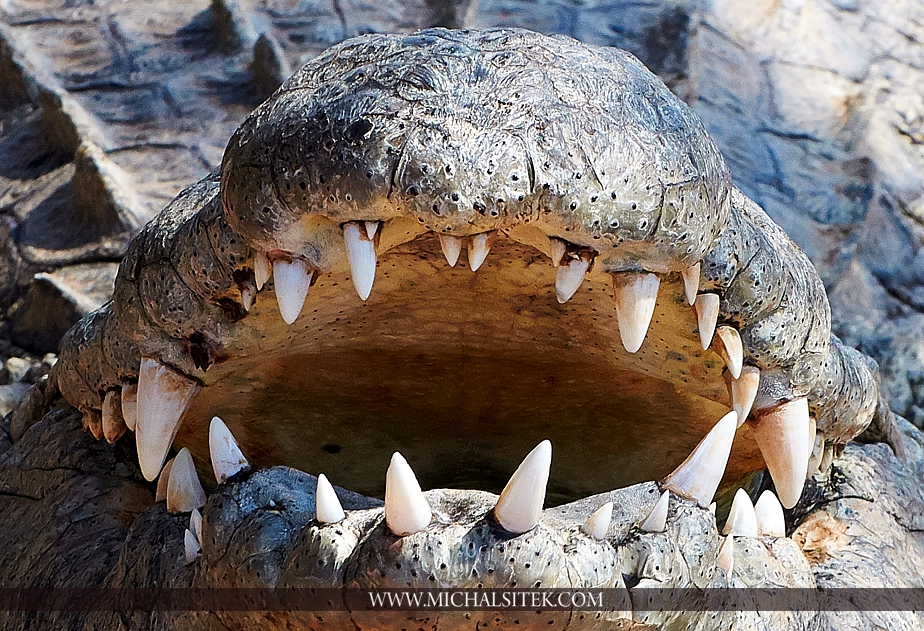
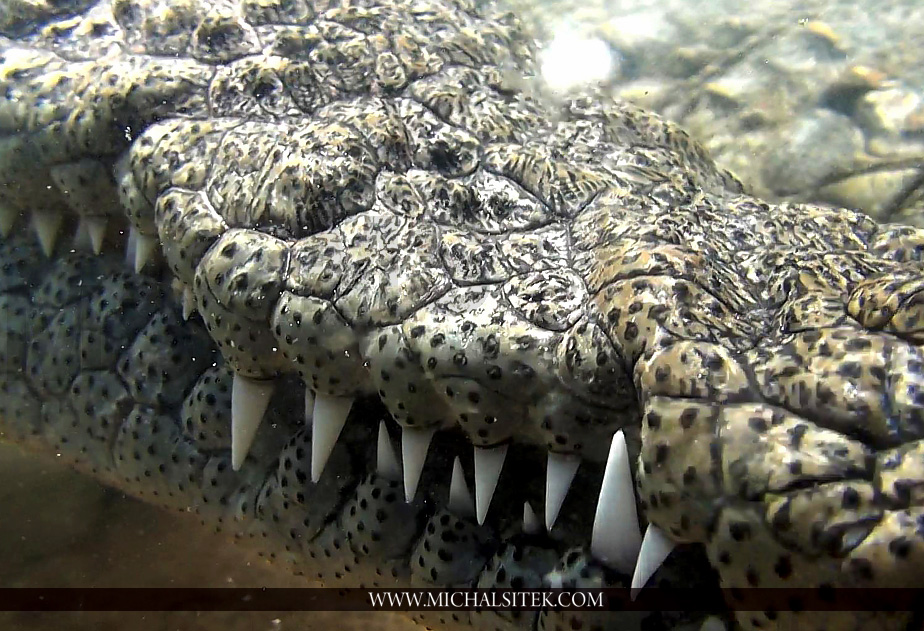
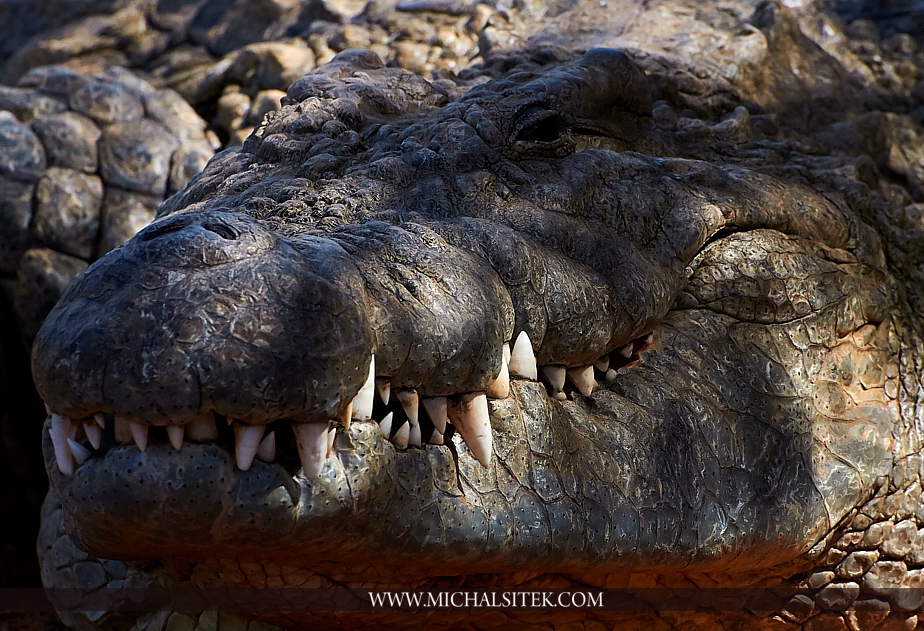
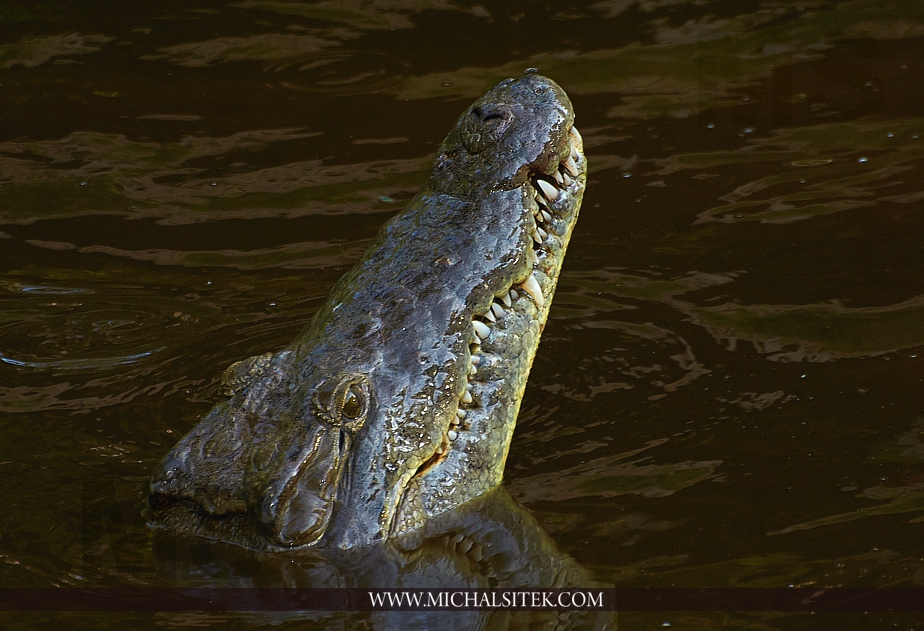
The elongated head and powerful jaws are the most obvious parts of crocodilian anatomy. Nile crocodiles carry large conical teeth of unequal size, while gharials possess long, narrow jaws filled with numerous slender teeth adapted for catching fish. A crocodile's secondary palate separates the nasal passages from the mouth, a crucial adaptation for an animal that hunts in water.
The tongue is anchored to the floor of the mouth and cannot be protruded like the tongue of many lizards. Teeth are replaced throughout life — an essential system for an animal whose teeth regularly experience enormous stresses.
Close study of a crocodile's jaw and tooth structure.
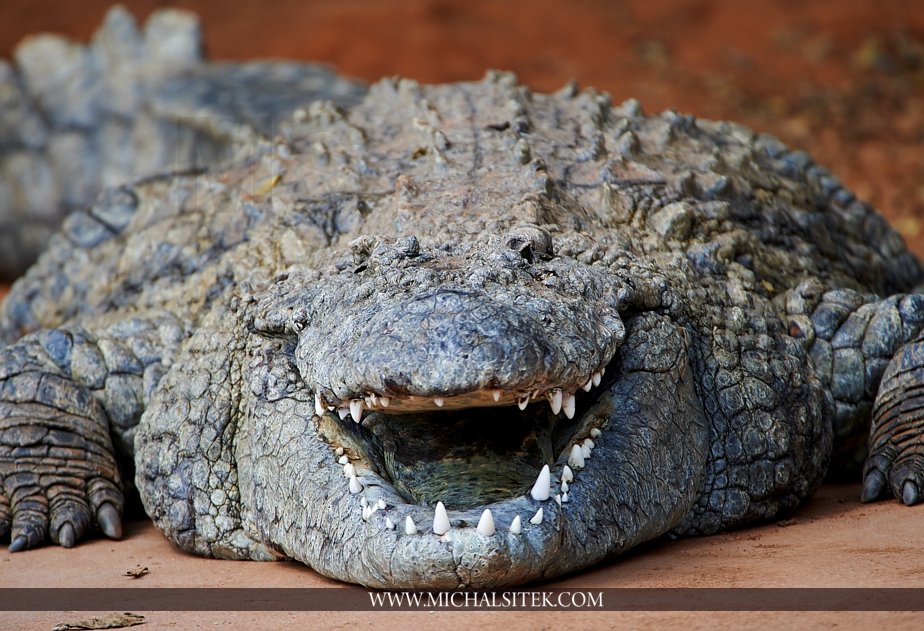
Crocodile teeth are made to grip and hold. They are not designed for chewing.
Vision & armour
Built To See Without Being Seen
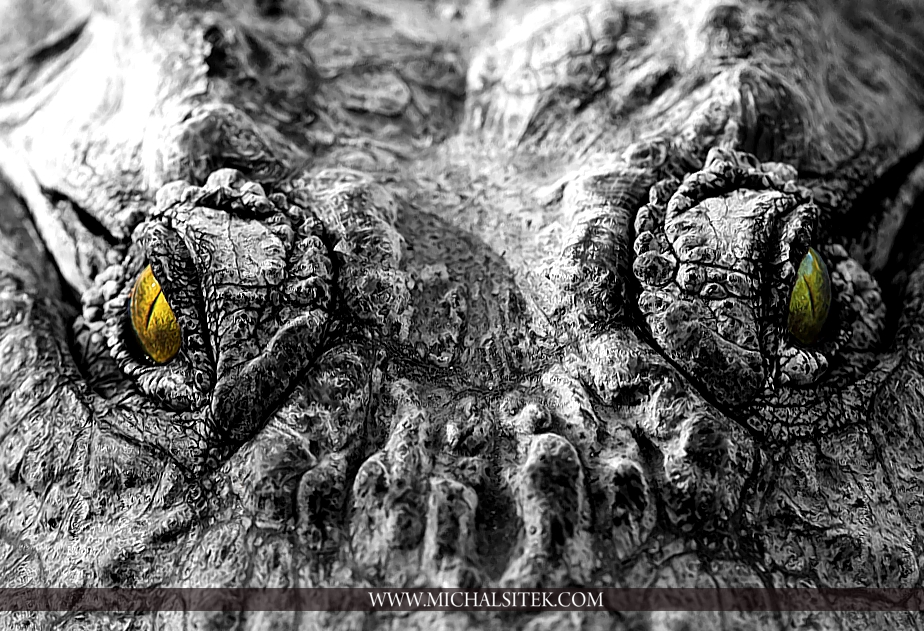
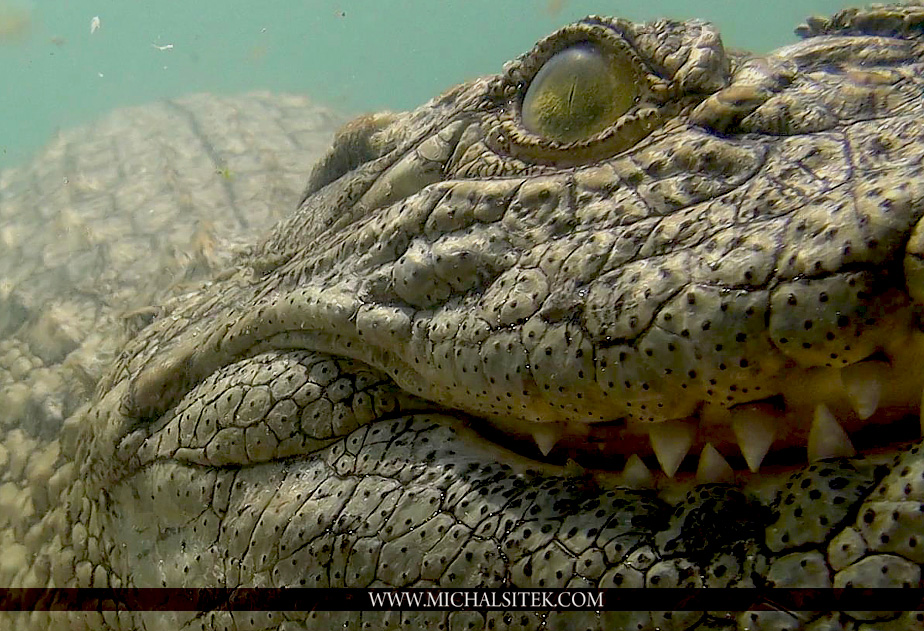
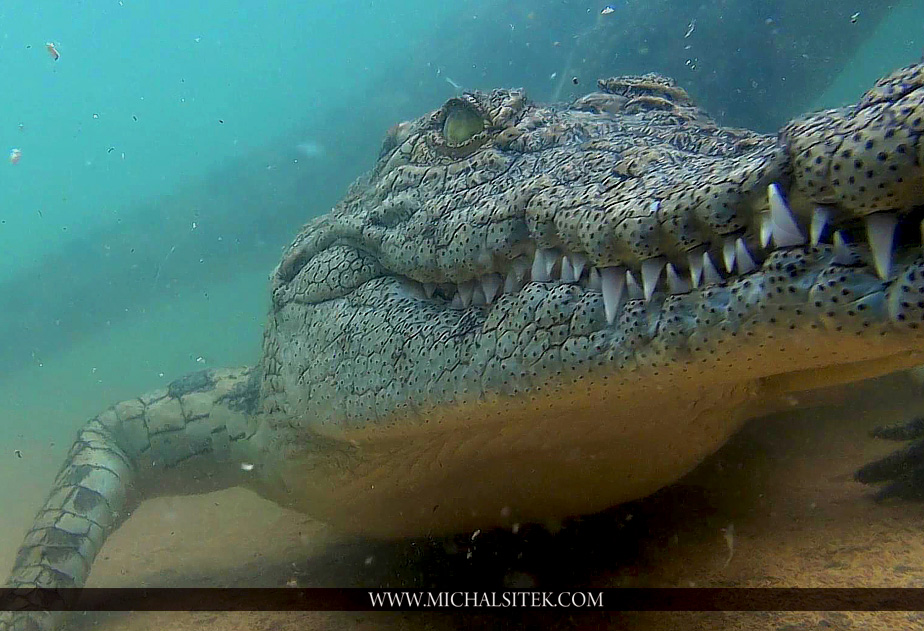
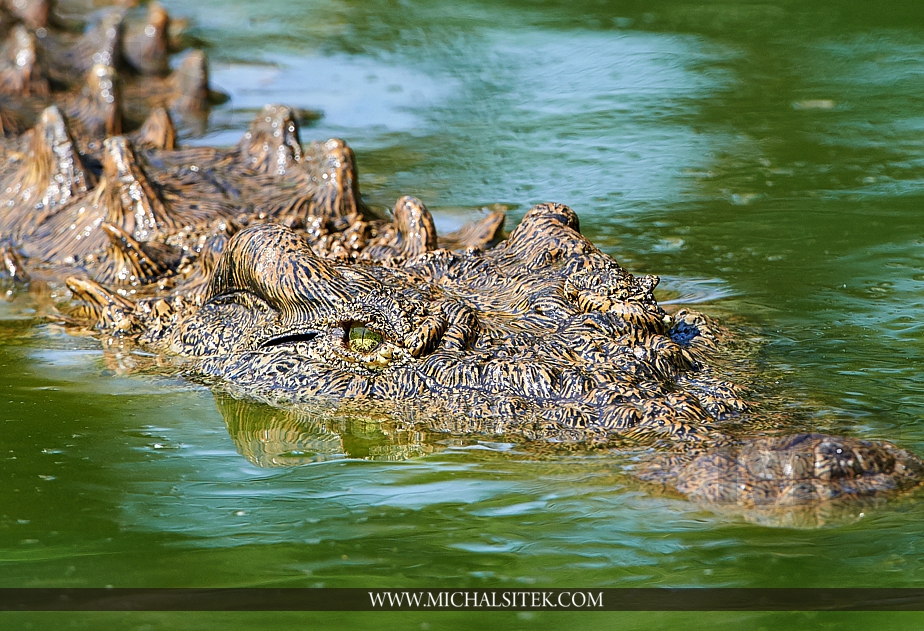
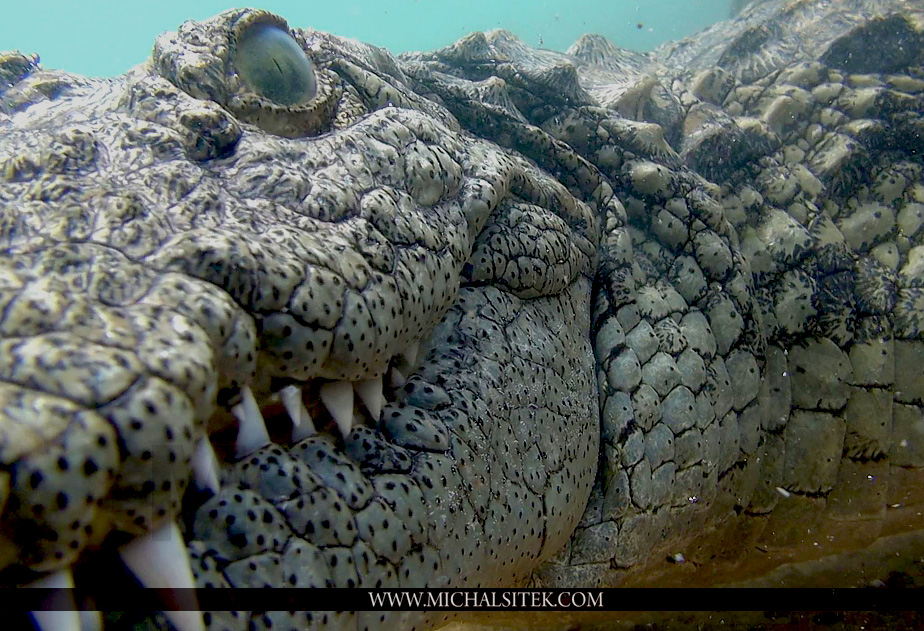
The eyes and nostrils sit high on the head, allowing most of the animal to remain submerged while it watches the surface. A transparent nictitating membrane protects the eye underwater, while a reflective layer enhances low-light vision. This makes crocodiles particularly effective at dusk and at night.
The body is protected by horn-like scales and underlying bony plates known as osteoderms. The strongly flattened muscular tail provides propulsion in water, while the short, powerful legs allow surprisingly rapid bursts of movement on land.
Eye to eye — the moment when observation suddenly feels mutual.
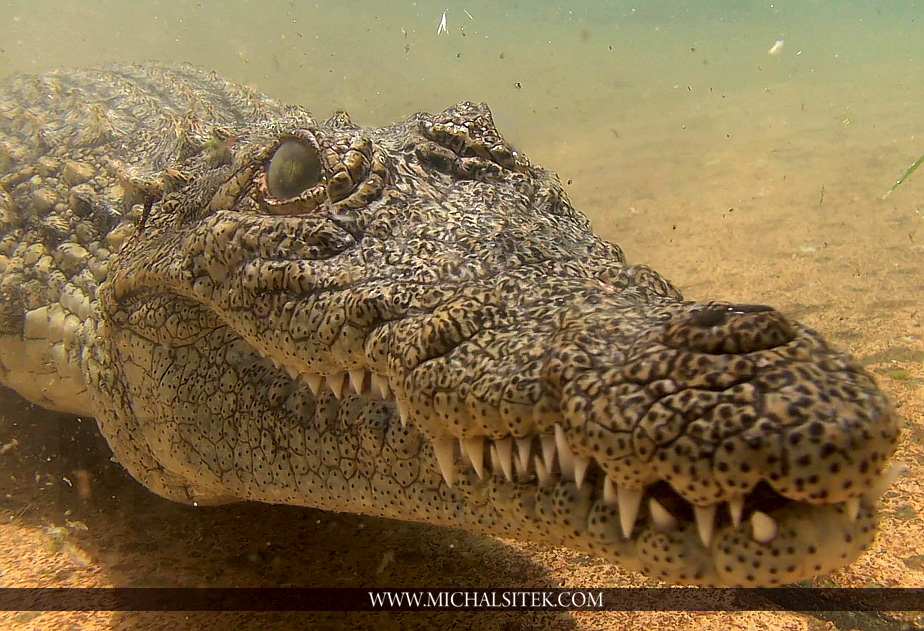
A crocodile underwater — the environment in which its body becomes most efficient.
Reproduction
Godzilla Is Being Born
All living crocodilians lay eggs. Depending on species and habitat, females build mound nests from vegetation and soil or dig chambers in sand. A clutch may contain several dozen eggs. The female guards the nest closely and can become highly aggressive toward anything approaching it.
Temperature during incubation plays a major role in determining the sex of hatchlings. When the young are ready to emerge they begin vocalising from inside the eggs. The mother opens the nest and may gently carry hatchlings in her jaws to the water. Despite this parental care, only a small proportion survive their first years.
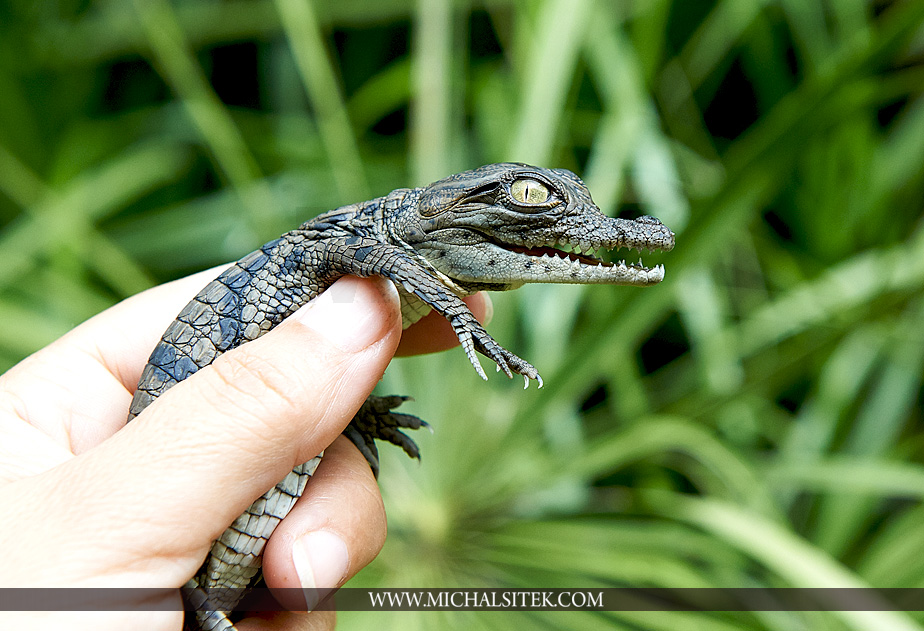
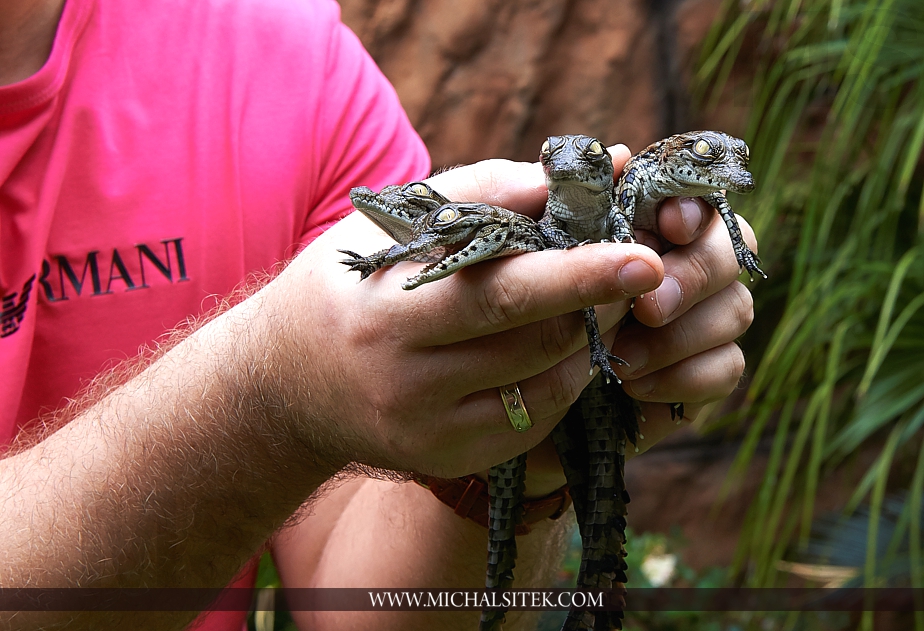
A crocodile begins life equipped with an egg tooth used to break the shell.
The contrast is extraordinary: a newborn animal already unmistakably resembles the apex predator it may become.
Hunting
The Perfect Ambush Predator
Crocodiles are opportunistic predators. Young animals begin with insects and other invertebrates before moving to fish, amphibians, reptiles and larger prey. Adults can take birds and mammals, and the largest species are capable of overpowering sizeable animals at the water's edge.
Large prey may be dragged into the water and drowned. Crocodilians cannot chew in the mammalian sense, so large pieces are removed using powerful head movements and the famous rotational manoeuvre often called the death roll. Fish are normally swallowed head-first.
Aggression can appear suddenly. Respecting distance and reading behaviour are essential around large crocodilians.
Territory
Male Instinct
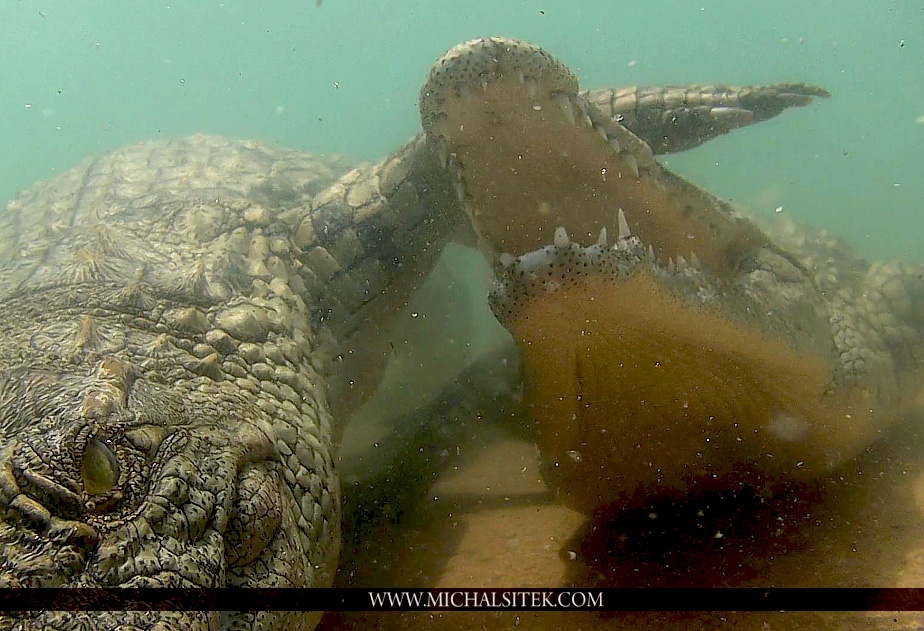
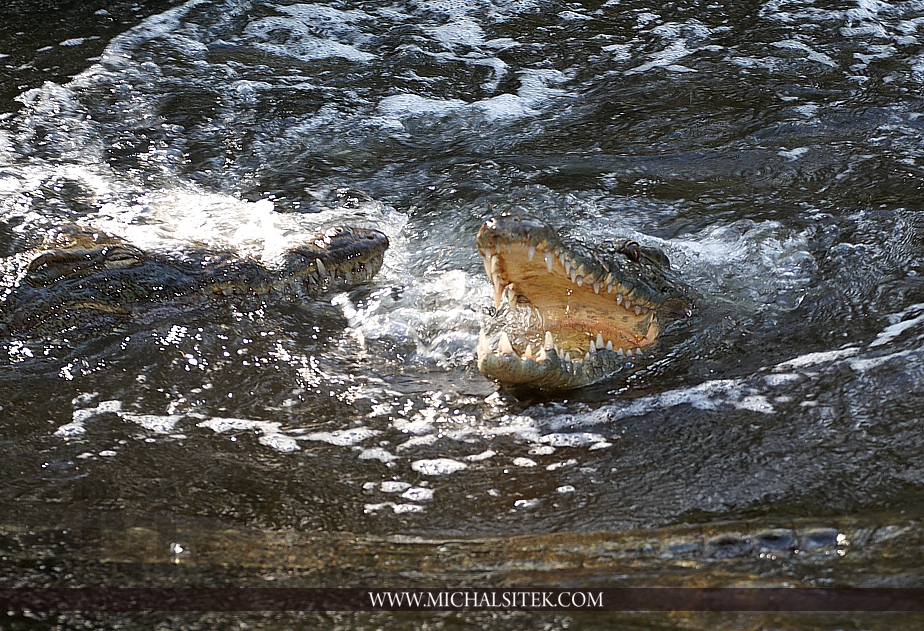
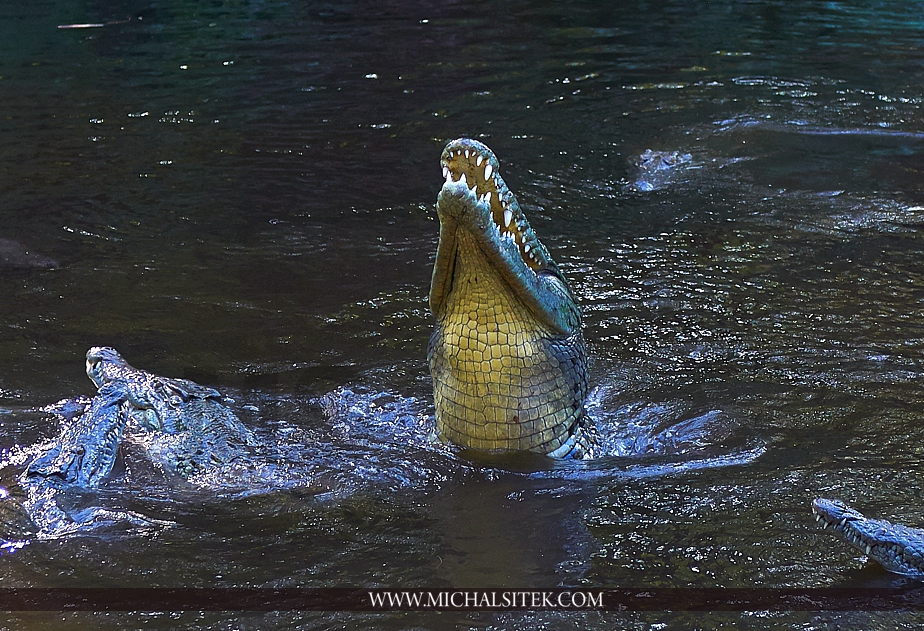
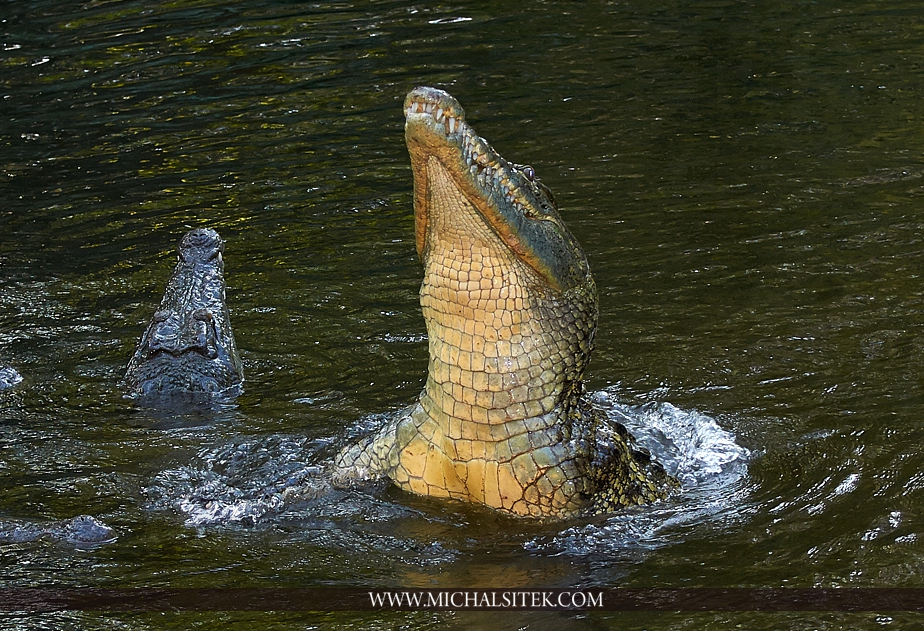
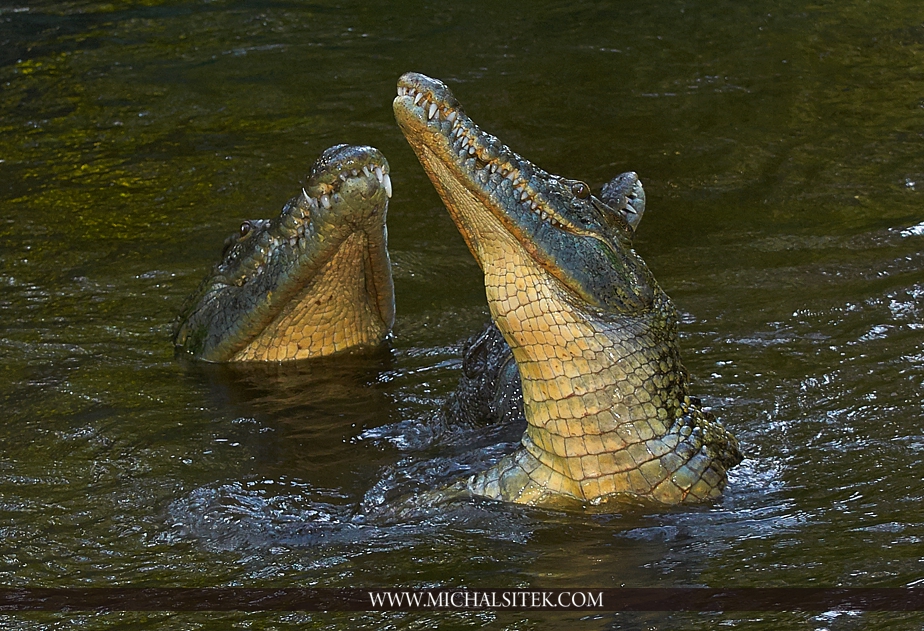
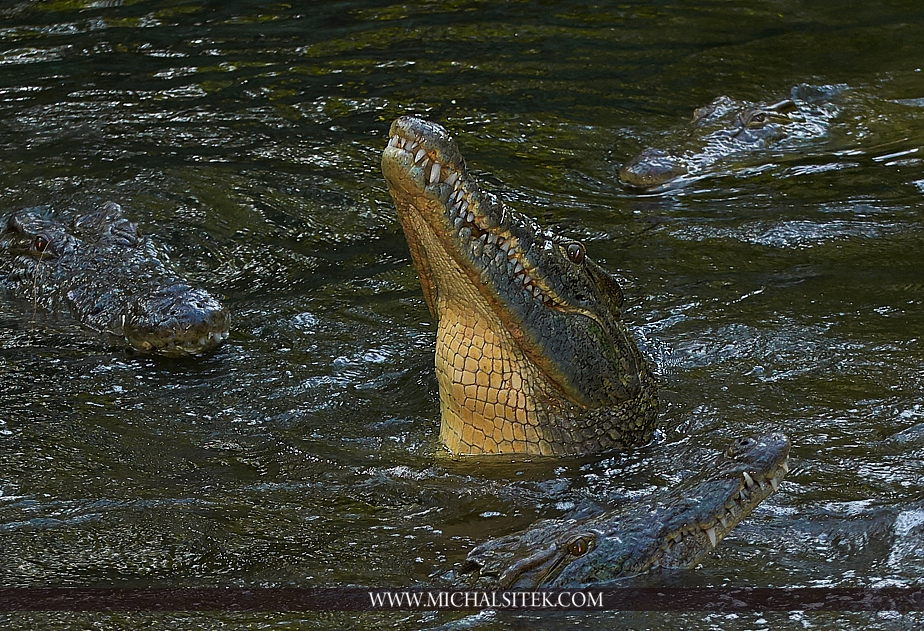
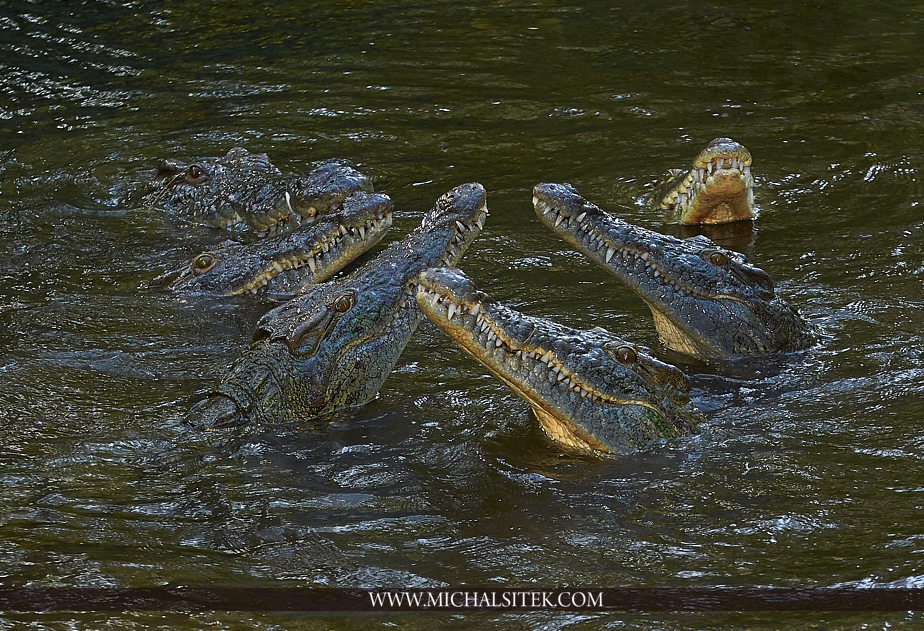
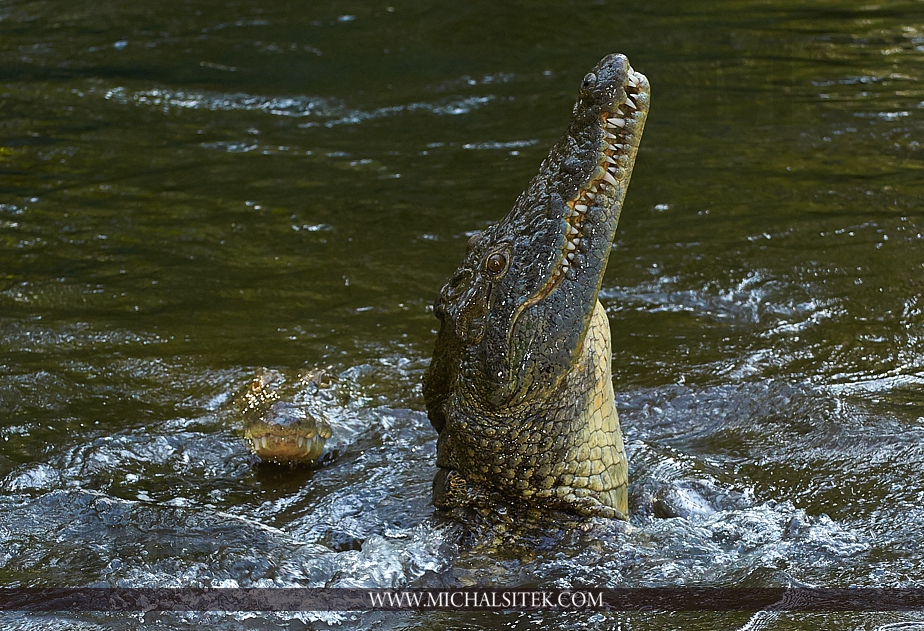
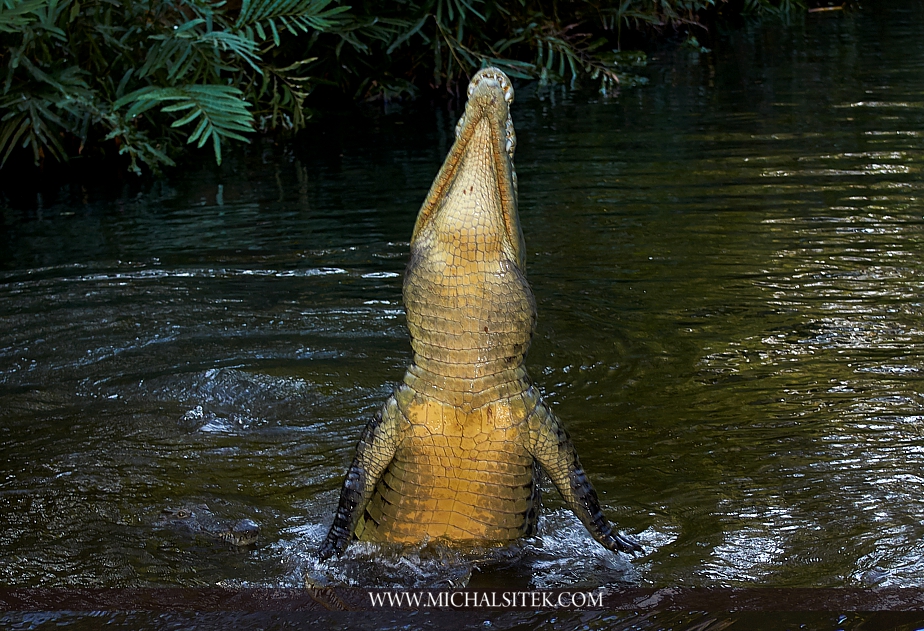
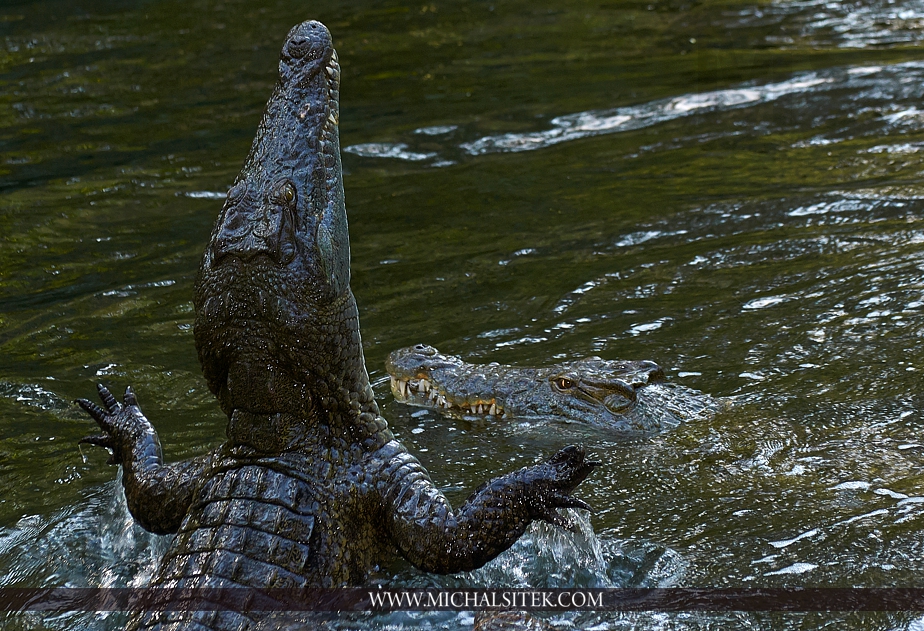
Large males establish and defend territories, particularly during the breeding season. Displays may involve slapping the water with the tail, raising the head and body, vocalising and producing bubbles or splashes. Rival males can fight violently for access to females and the best habitat.
Human attacks do occur, especially where large crocodilians and people share rivers, lakes or coastal habitats. The lesson from every serious encounter is the same: these animals are never props. They demand distance, local knowledge and respect.
Breeding behaviour and territoriality make large males particularly impressive — and particularly unpredictable.
Water
Masters Of Two Worlds
Most crocodilians are associated with freshwater rivers, lakes and wetlands, although some species regularly enter brackish or marine environments. Saltwater crocodiles are exceptionally capable travellers and can use ocean currents to cover remarkable distances.
In water, the nostrils and ear openings can close, while circulation and metabolism adjust to diving. Crocodiles can remain submerged for extended periods, especially when resting. On warm days they often bask with the mouth open — a thermoregulatory behaviour that helps release heat.
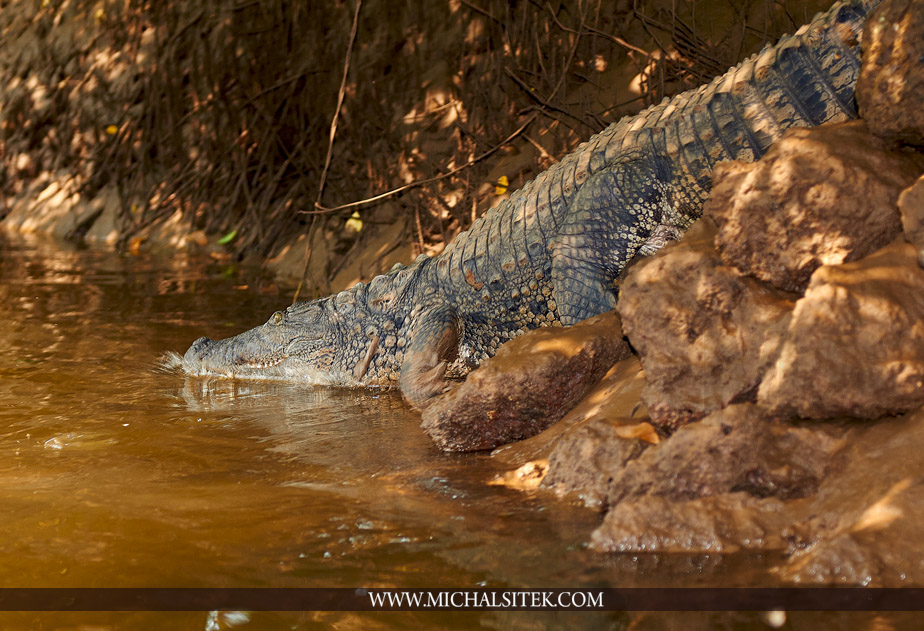
Saltwater crocodile — one of the largest living reptiles and a species capable of long marine journeys.
Crocodylus porosus — power, patience and adaptation in one of nature's most successful predators.
Conservation
From Persecution To Protection
Crocodilians have been hunted for meat and skin and have also lost habitat through drainage, deforestation, dam construction and expanding settlement. In many regions, populations once collapsed dramatically. Protection, regulated trade and habitat management have allowed several species to recover, although others remain threatened.
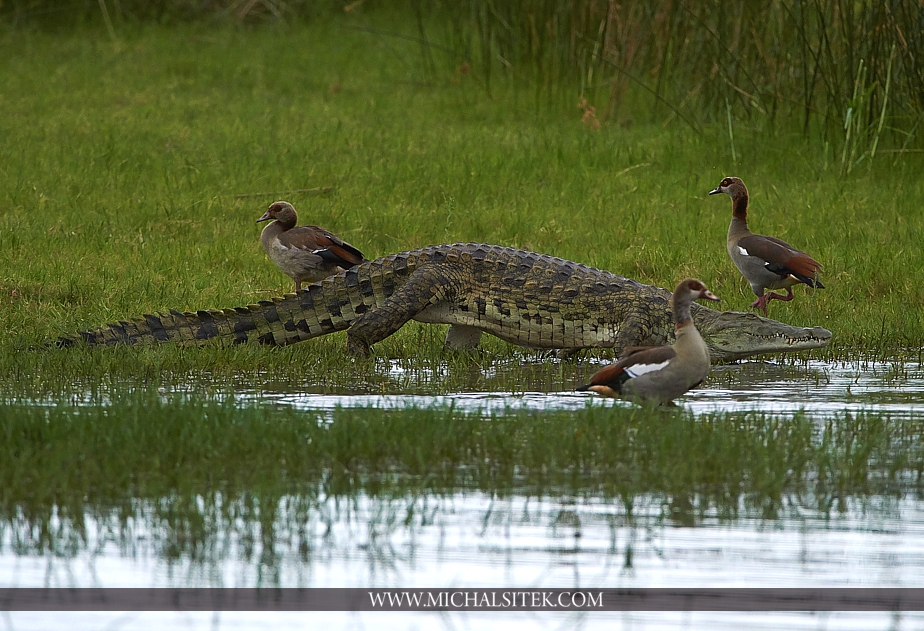
The Walking Dead — while ducks wander around as if nothing unusual is happening, the crocodile calmly takes its own walk. One frame, two completely different attitudes to danger.
The reputation of crocodiles as dangerous animals makes coexistence difficult, but their survival depends on balancing human safety with the preservation of wetlands and river systems. These predators are not relics that merely survived the past; they are active parts of modern ecosystems.
Personal reflection
Why I Keep Coming Back
Crocodiles do not fascinate me simply because they can be dangerous. What keeps drawing me back is the combination of patience, instinct, strength and unpredictability. They can appear completely motionless, almost prehistoric, and then remind you instantly that they are among the most efficient predators alive.
Photography around them has taught me more about preparation and respect than bravado. The closer the encounter, the more important discipline becomes. Some photographs require a companion, local specialists and a very clear understanding of when it is time to stop moving forward.
Every encounter has to be earned. Every photograph is secondary to coming home safely.
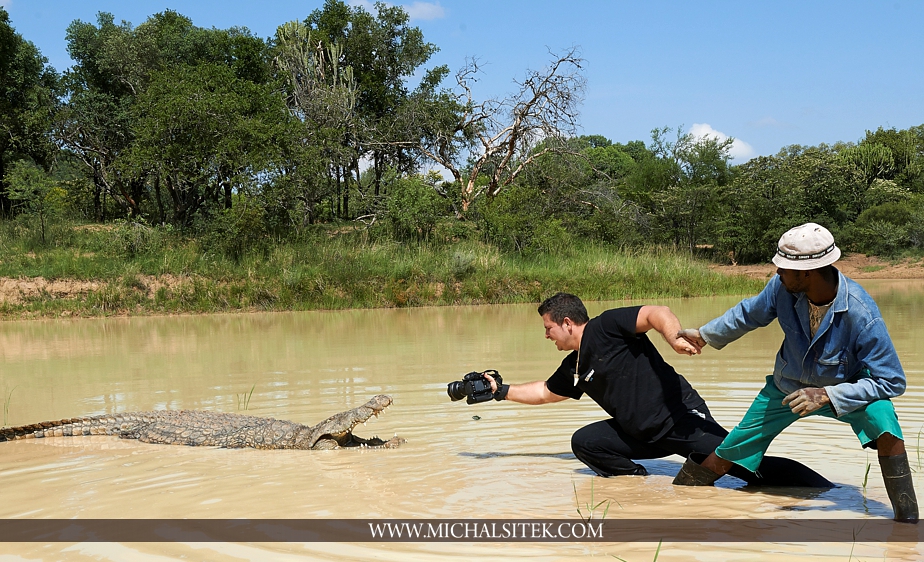
Better safe than sorry — some photographs are possible only because somebody trustworthy is watching what happens outside the frame.
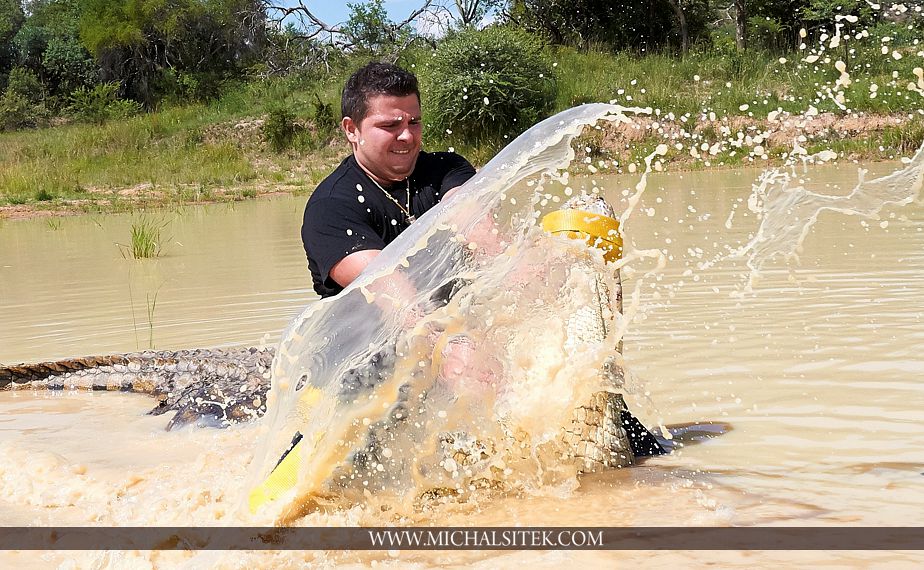
Sometimes you have the upper hand — but with crocodiles I never confuse a controlled moment with a tame animal.
Crocodile encounters
Details, behaviour & adrenaline
Nile Crocodiles
A classic African predator photographed in its natural environment.
Living Armour
Scales, osteoderms and a body built for survival.
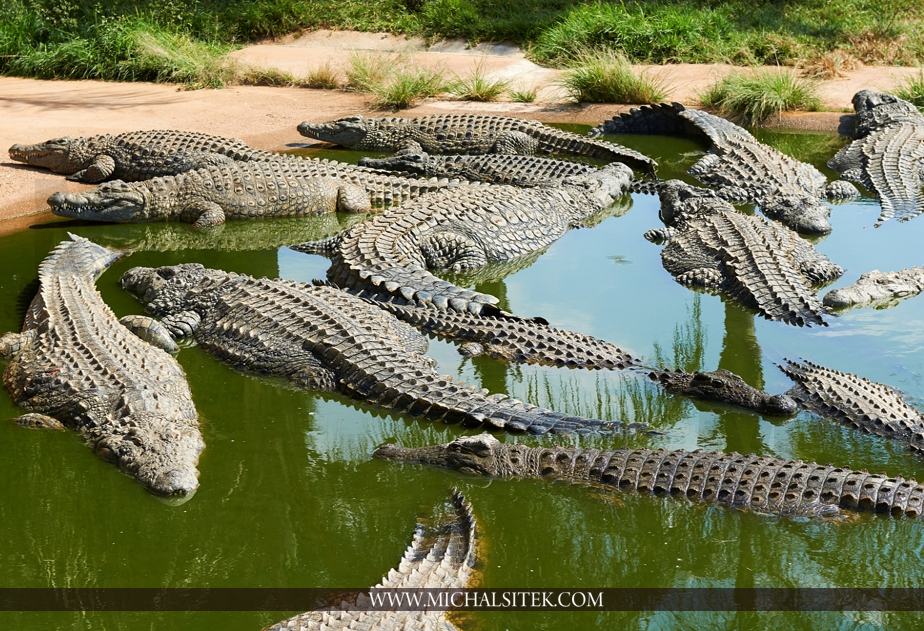
At The Water's Edge
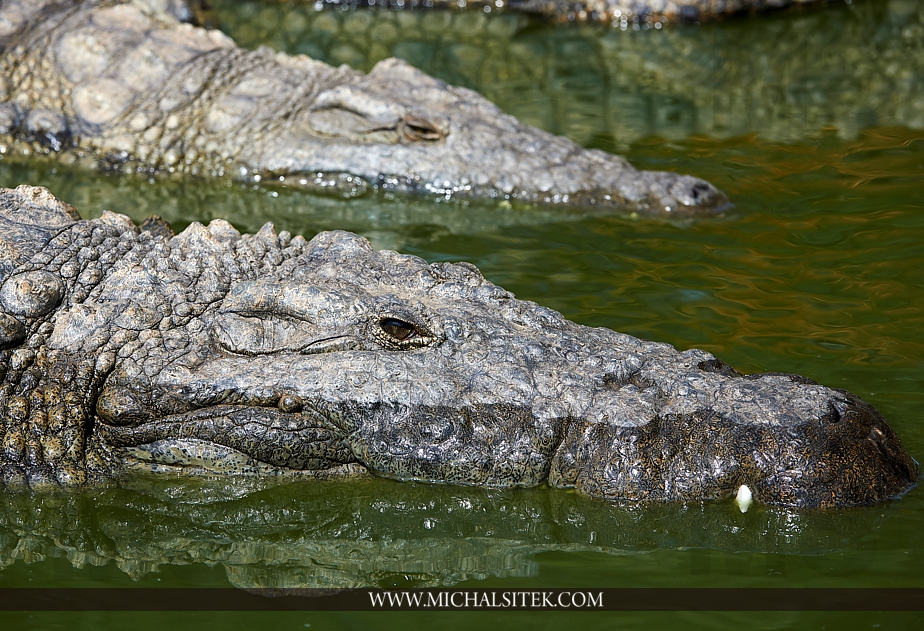
Resting together, but always alert to what happens around them.
Crocodylus
A design refined through millions of years of evolution.
Crocodylus Niloticus
A closer look at one of Africa’s most formidable reptiles.
Below The Surface
Underwater, the crocodile moves with remarkable efficiency.
Eye To Eye
One of those moments when observation suddenly becomes mutual.
The Smile
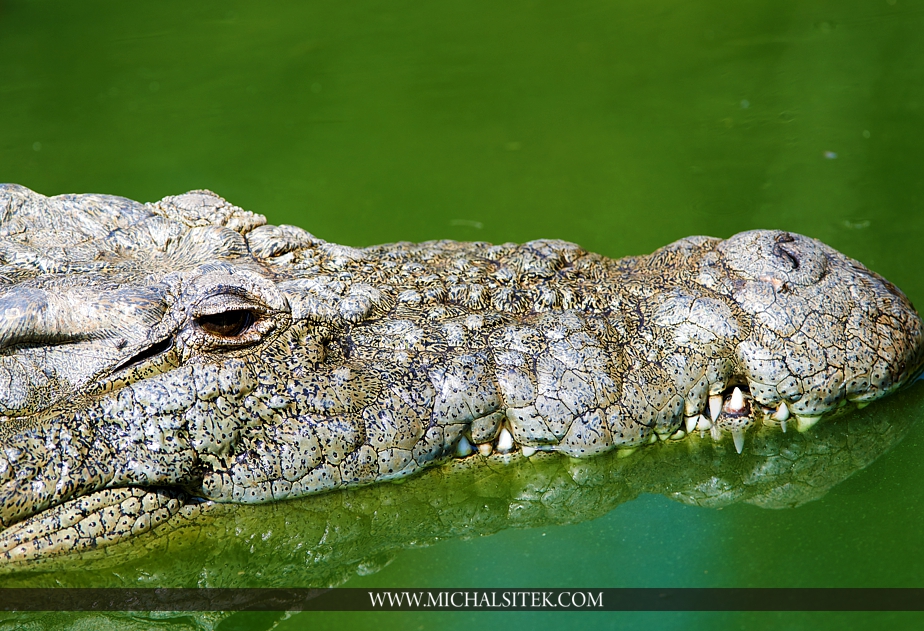
Powerful teeth made to seize and hold, not to chew.
Adult Specimen
Size, patience and explosive acceleration in one animal.
Attack I
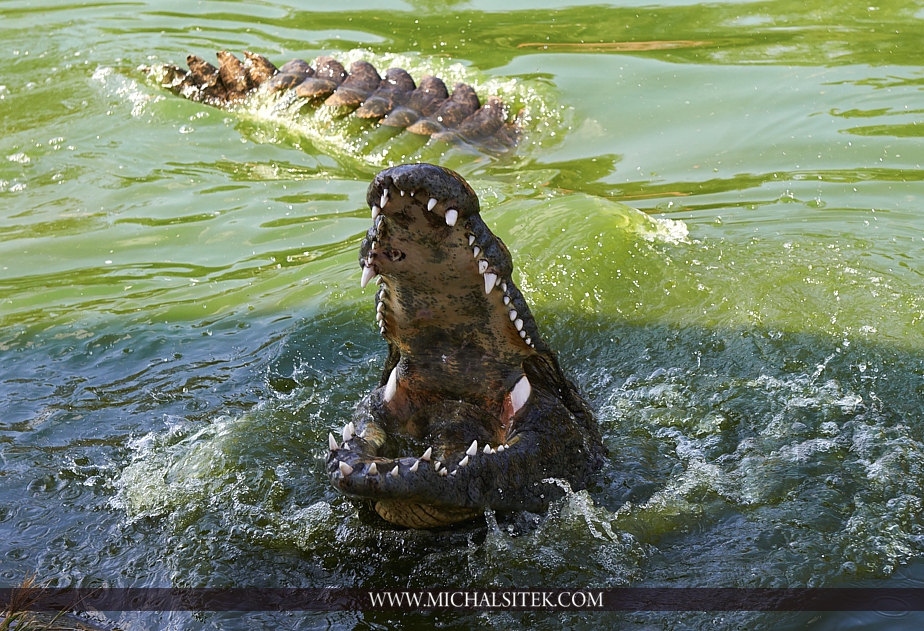
The first instant when stillness turns into action.
Attack II
A reminder of how quickly distance can disappear.
Attack III
Raw power delivered in a fraction of a second.
Predator I
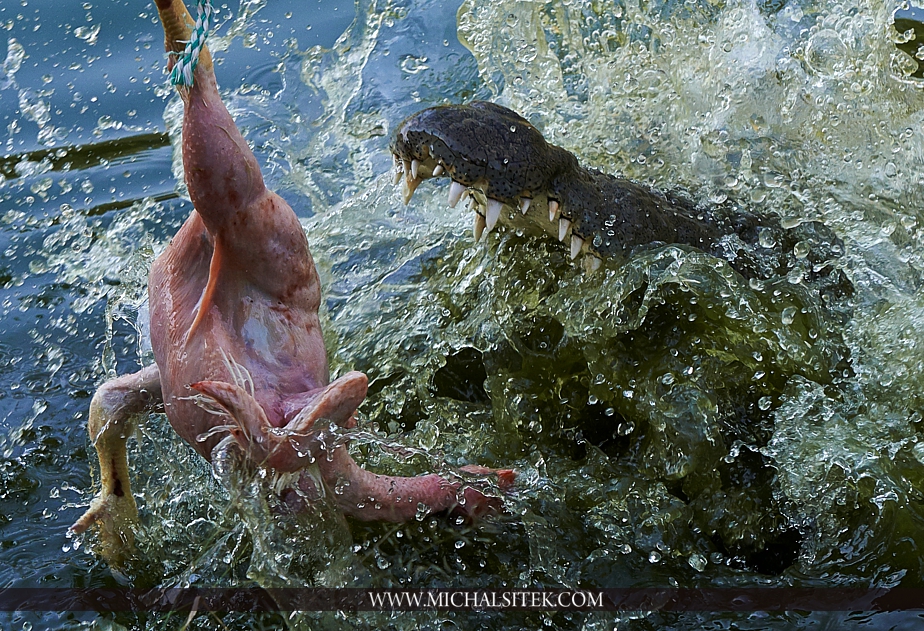
Nature without filters — feeding is part of the predator’s world.
Predator II
The jaws secure the prey while the body does the rest.
Predator III
An apex predator doing exactly what evolution designed it to do.
Nile Crocodile I
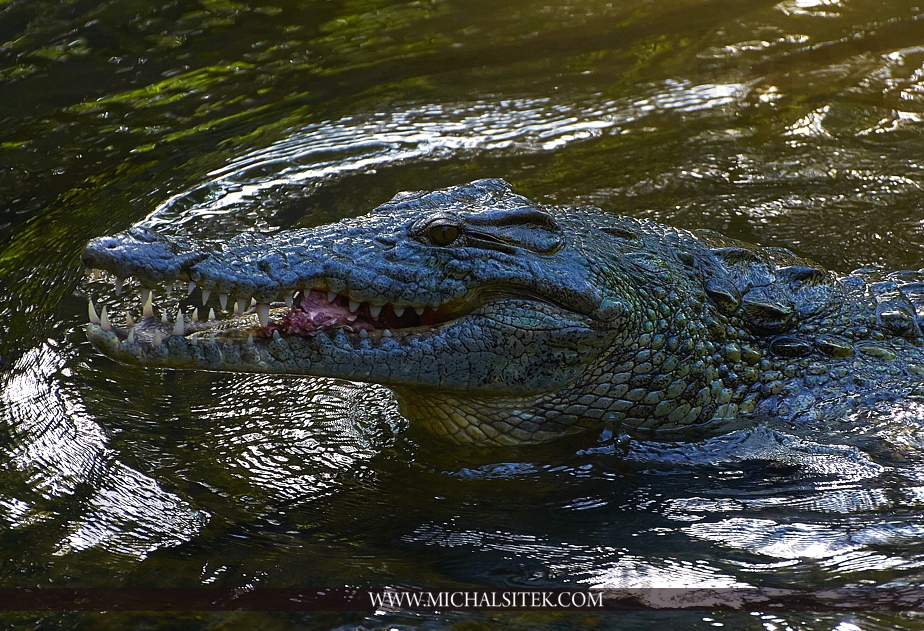
A portrait of Crocodylus niloticus in its element.
Nile Crocodile II
Every detail of the head reveals its semi-aquatic design.
Nile Crocodile III
Stillness is one of the crocodile’s greatest hunting advantages.
Jaws I
Anatomy built around leverage, grip and durability.
Jaws II
Close enough to appreciate the structure — from a safe perspective.
Jaws III
Simple, powerful and remarkably effective.
Jump I
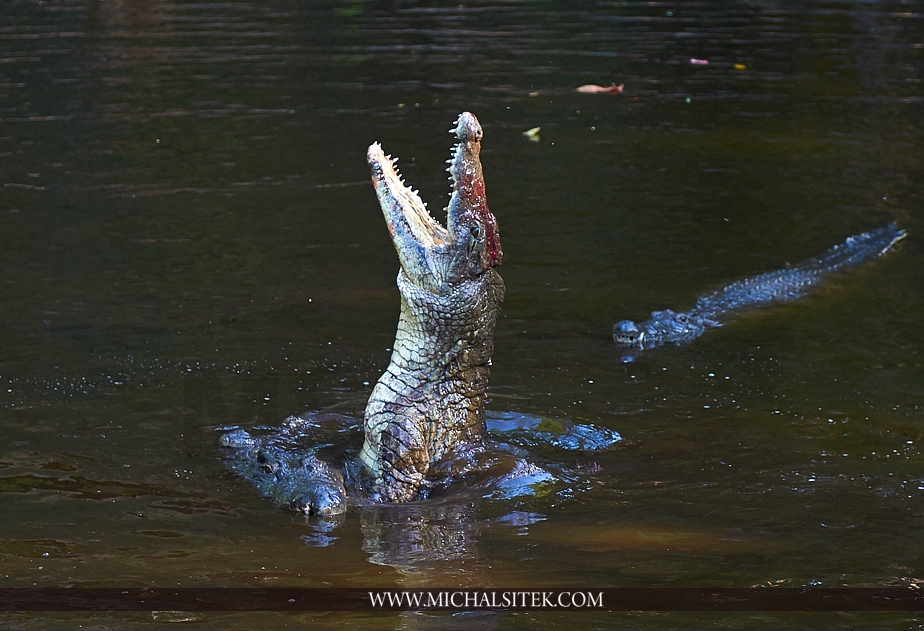
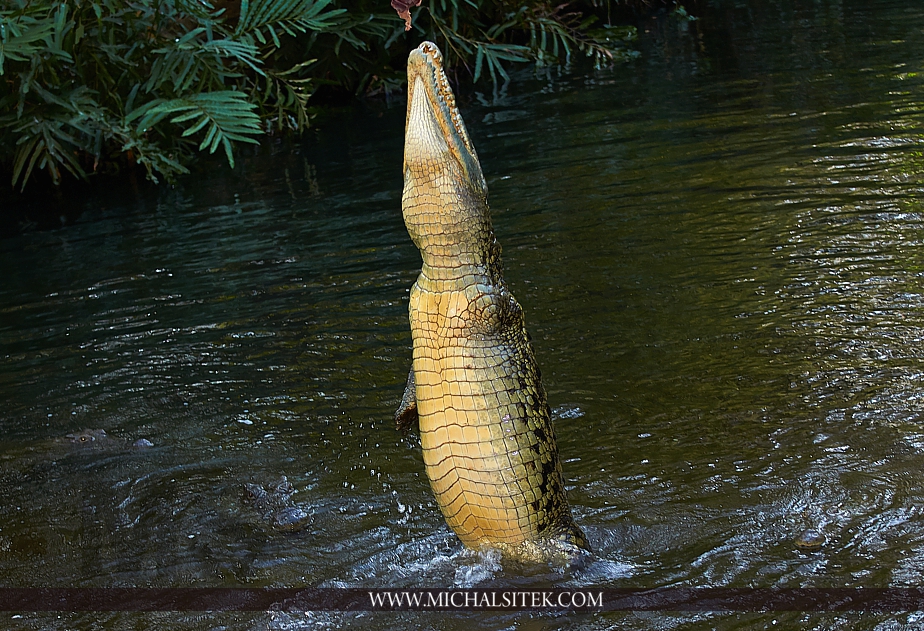
The tail launches the whole body upward from the water.
Jump II
An explosive movement that seems impossible from such a heavy animal.
Jump III
A perfect demonstration of the power hidden below the surface.