Design recognised
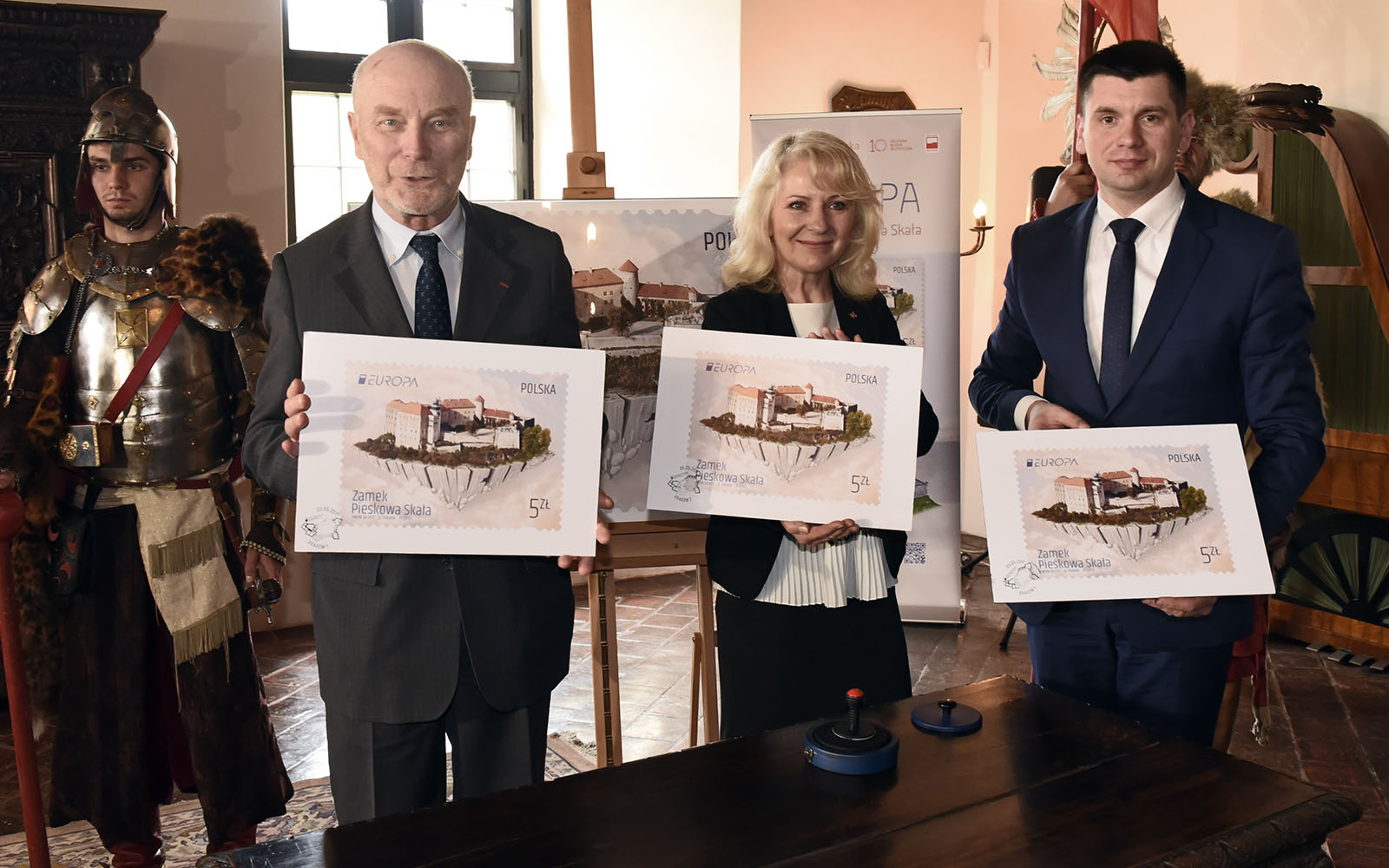
The photograph featured on the stamp was taken by Michał Sitek, a native of Częstochowa, entrepreneur and active supporter of pro bono initiatives. He is the founder and editor-in-chief of Staraczestochowa.pl, a project devoted to the history of Częstochowa. His long-standing interest in the city’s past is reflected in an extensive archive of historical documents, valuable photographs and postcards from a world that has largely disappeared from living memory.
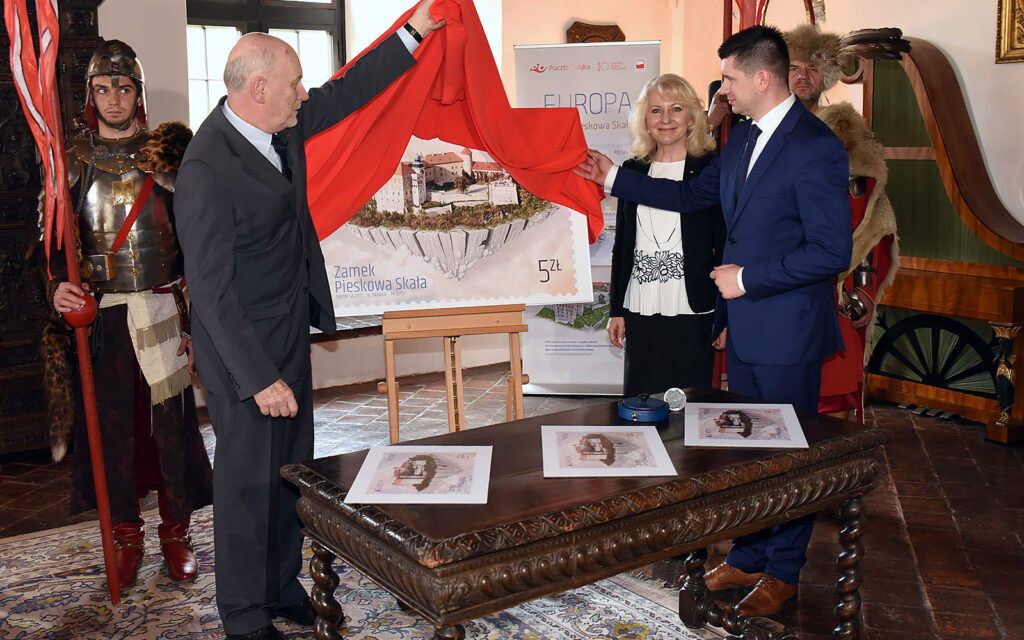
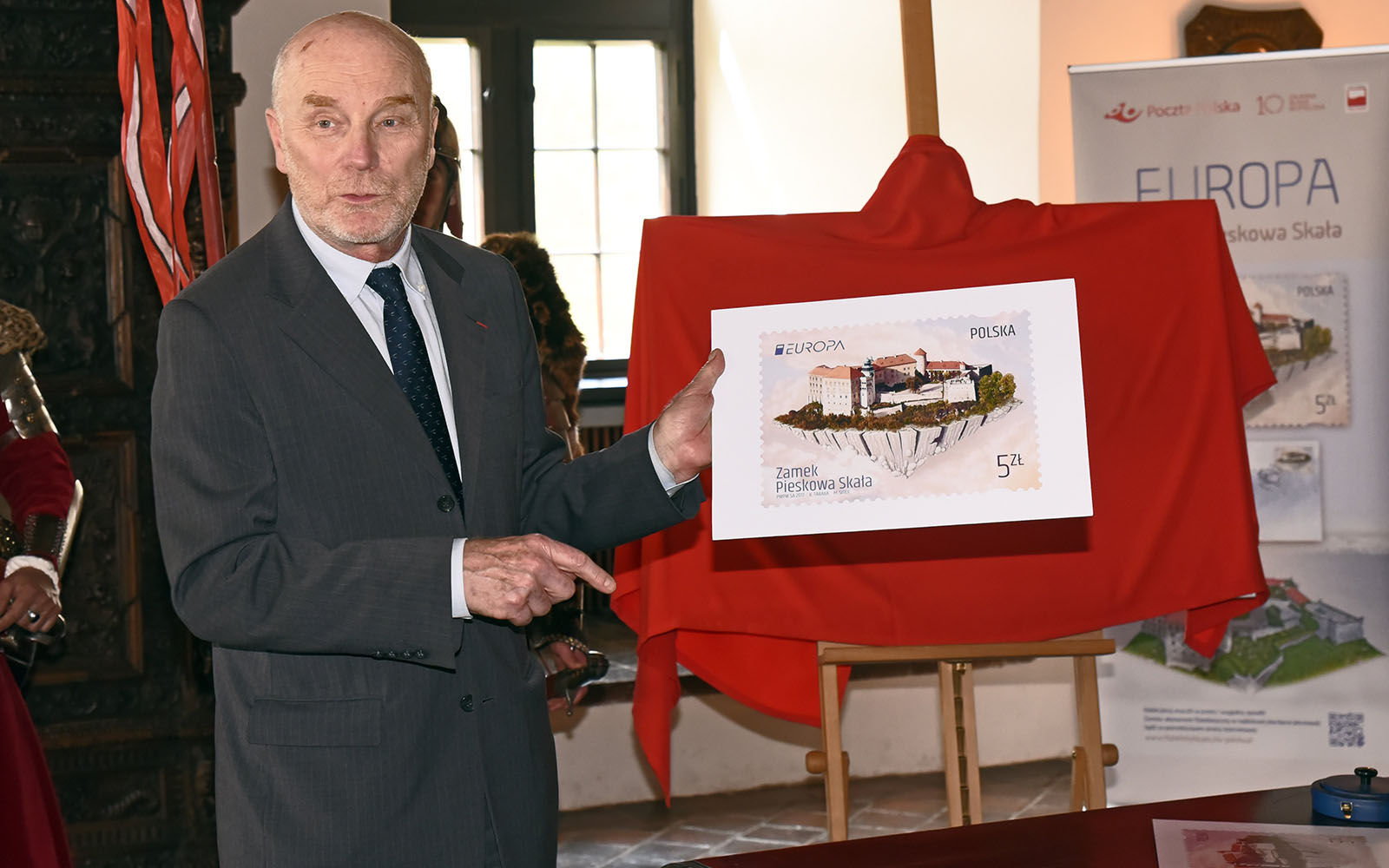
It is particularly gratifying that the stamp became one of the most popular philatelic items among collectors.
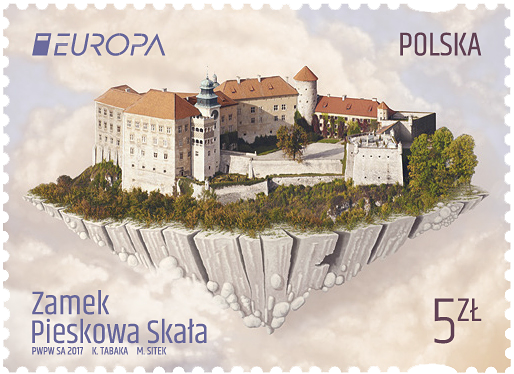
For more than eight years, Sitek had photographed the castles and fortifications of the Kraków–Częstochowa Upland, concentrating particularly on aerial perspectives. He was delighted that this particular photograph had been selected, especially because the story behind its creation was so unusual.
Capturing Pieskowa Skała Castle from this perspective was exceptionally difficult. The castle lies within Ojców National Park, so the applicable flight restrictions had to be respected. The work required suitable equipment, carefully selected weather conditions and precisely the right time of day.
An important part of the story is that the photograph was created in cooperation with Janusz Darocha, a member of the Częstochowa Aero Club and a multiple world and European champion in rally and precision flying. His titles are almost impossible to count. Together, Darocha and Sitek spent hundreds of hours in the air to make photographs such as this one possible.
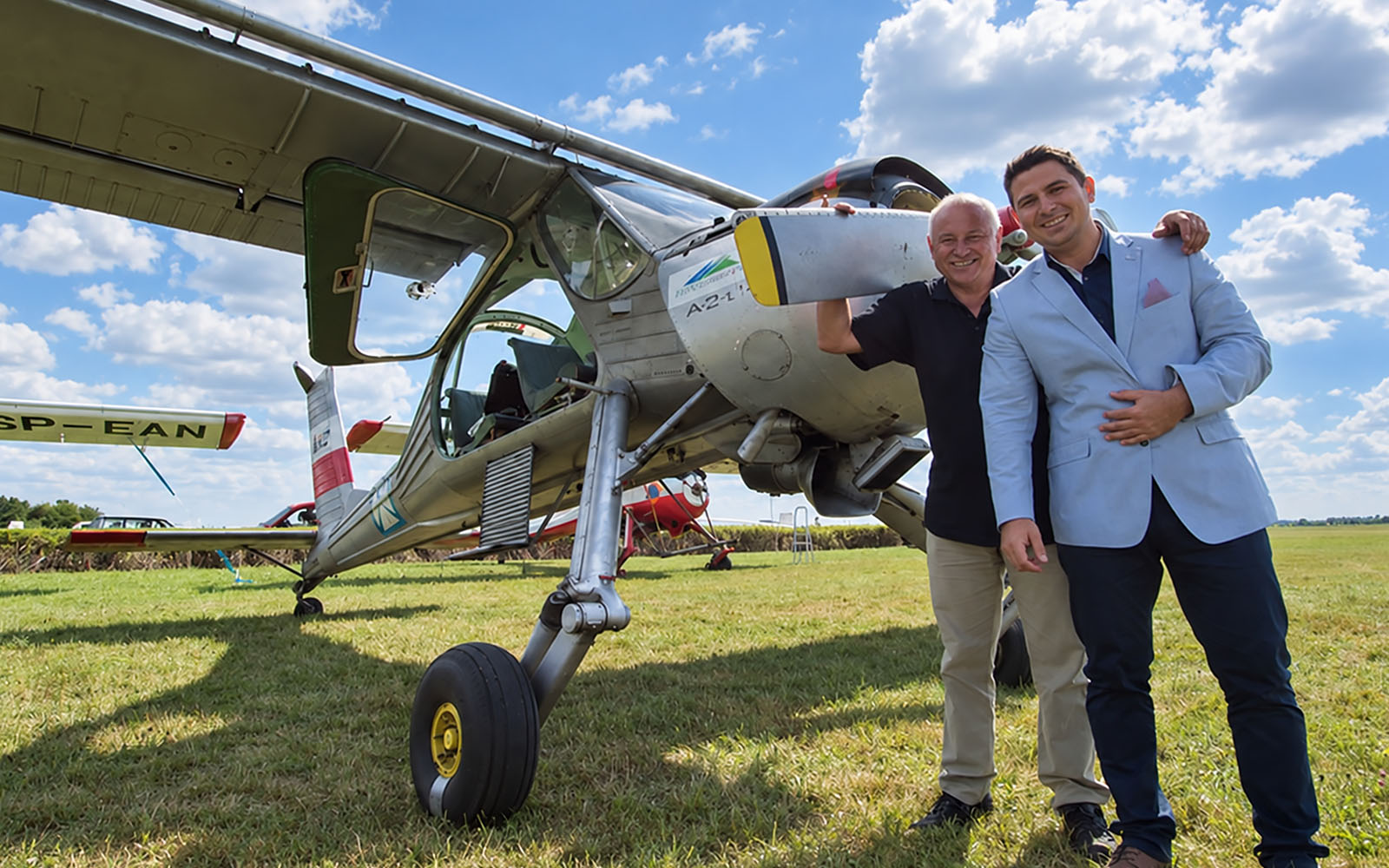
In June, the public would be able to see the first of Michał Sitek’s albums, Częstochowa from the Air. Two further publications were planned for the same year: Castles and Fortifications of the Kraków–Częstochowa Upland from the Air and Jasna Góra and Sacred Architecture from the Air.
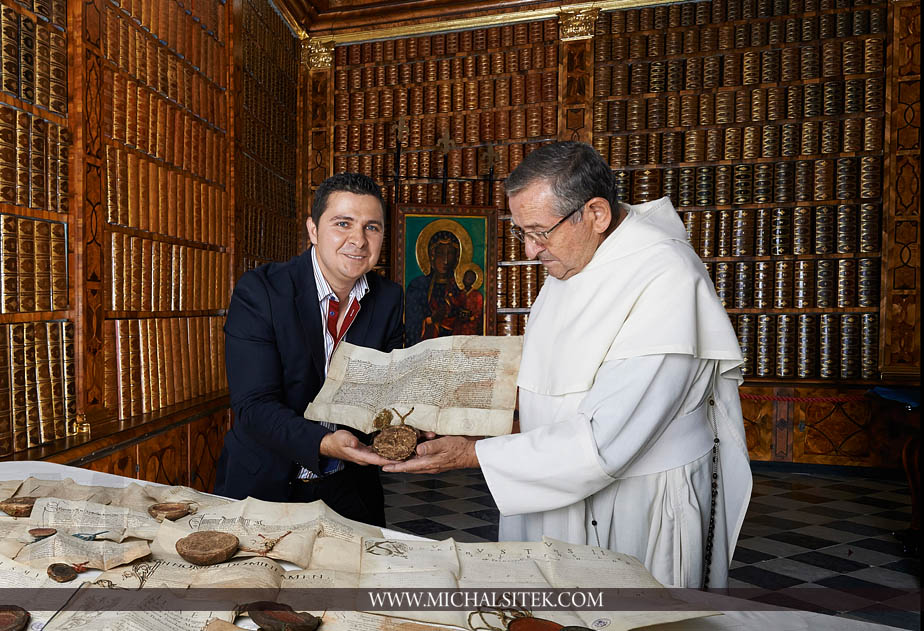
Sitek had already created a substantial body of photographic work through which he promoted cultural heritage and expressed his passion for the history of Częstochowa. Particularly notable was his extensive and exceptionally valuable digitised collection of more than 500 diplomas and royal documents, including 106 wax seals, as well as a breviary, a missal, the Book of the Brotherhood of Guardian Angels, the Liber Miraculorum and a richly illustrated Bible.
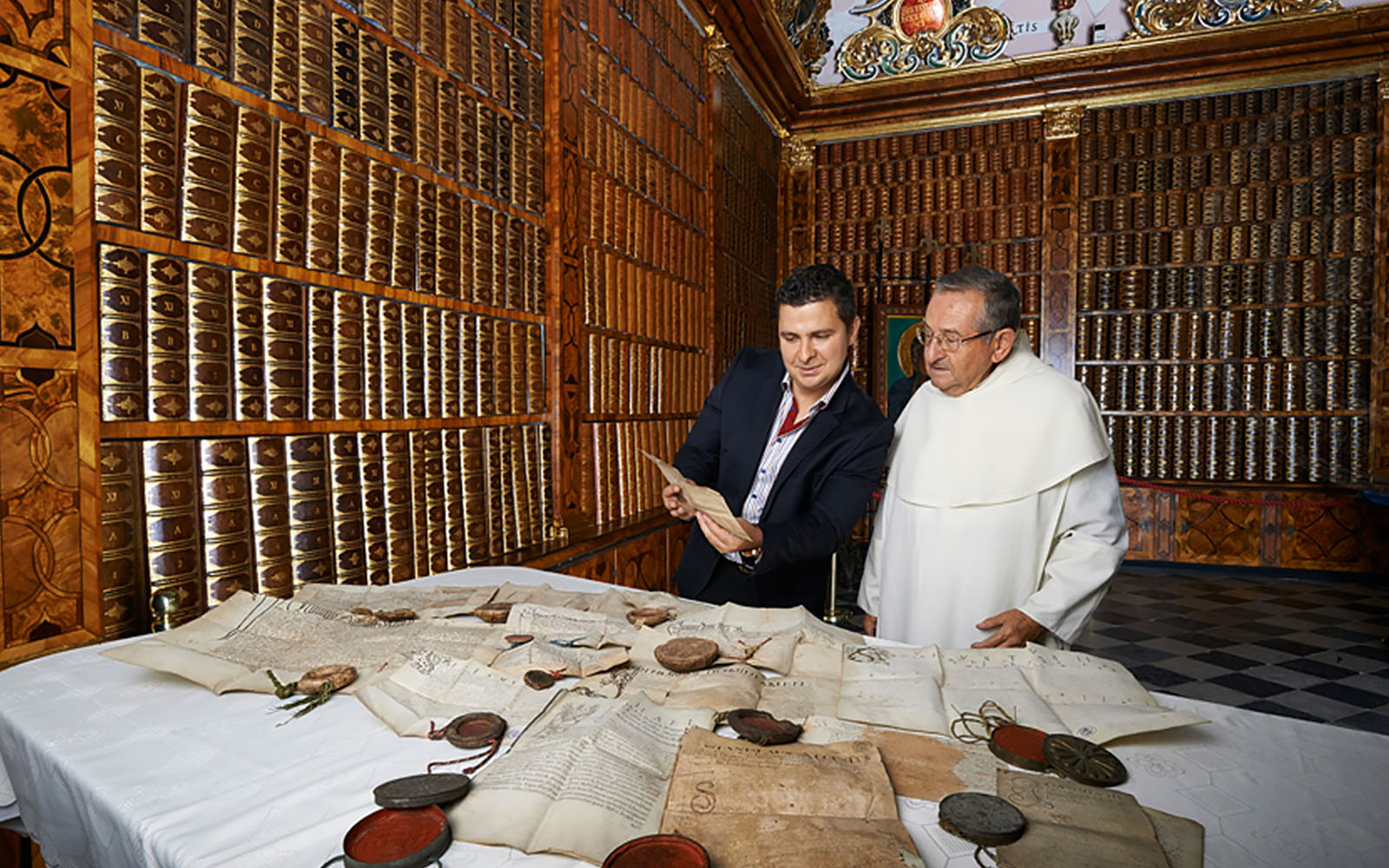
The Jasna Góra Archive
Another treasure of the Jasna Góra archival collection is a sixteenth-century manuscript containing the Rule of Saint Augustine, bound between oak boards and fitted with a chain. This manuscript was also digitised by Michał Sitek.
Preparing the photographic documentation of all the parchment and paper diplomas held in the Jasna Góra Archive took him two years. The royal documents and their wax seals were recorded with both precision and an artistic sensitivity, creating a valuable visual record of this exceptional historical collection.