Choosing the right ventilation system is just as important as ensuring the structural stability of a building or installing an efficient heating system. Mechanical ventilation provides an even and controlled exchange of air, which is particularly important in energy-efficient, passive and highly airtight buildings.
When combined with heat recovery, mechanical ventilation also recovers energy from the extracted air, helping to reduce the amount of energy required to heat the building. Michał Sitek, General Manager of DOSPEL, explains the factors that should be considered when selecting a system capable of maintaining an optimal indoor climate.
Mechanical or gravity ventilation?
Efficient ventilation in a detached house, an apartment building or a public facility should provide a continuous supply of fresh air. This becomes especially important in passive and energy-efficient buildings, where modern windows, doors and insulation create very airtight interiors.
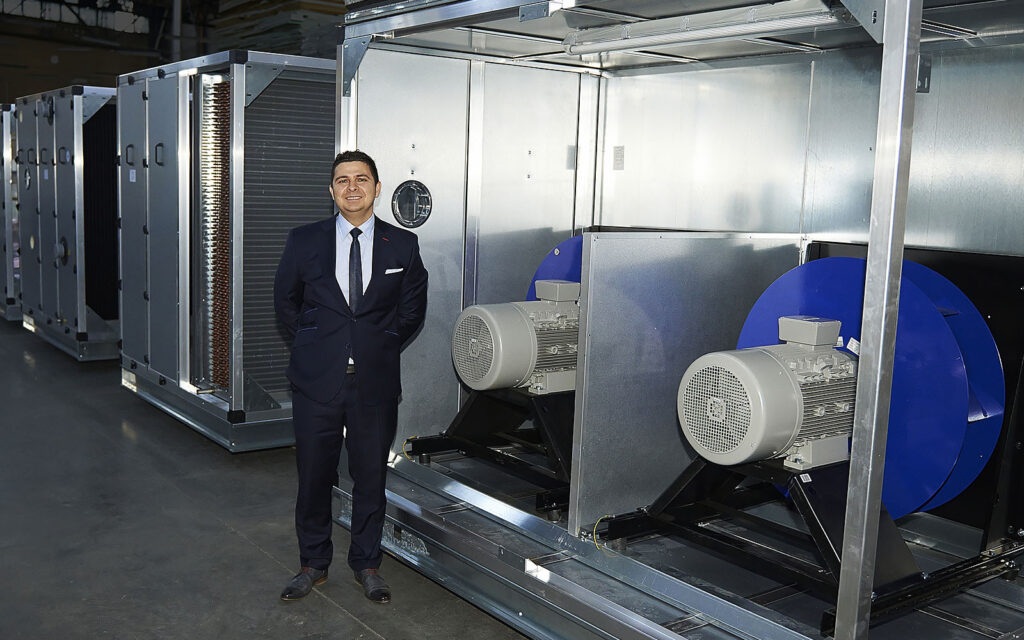
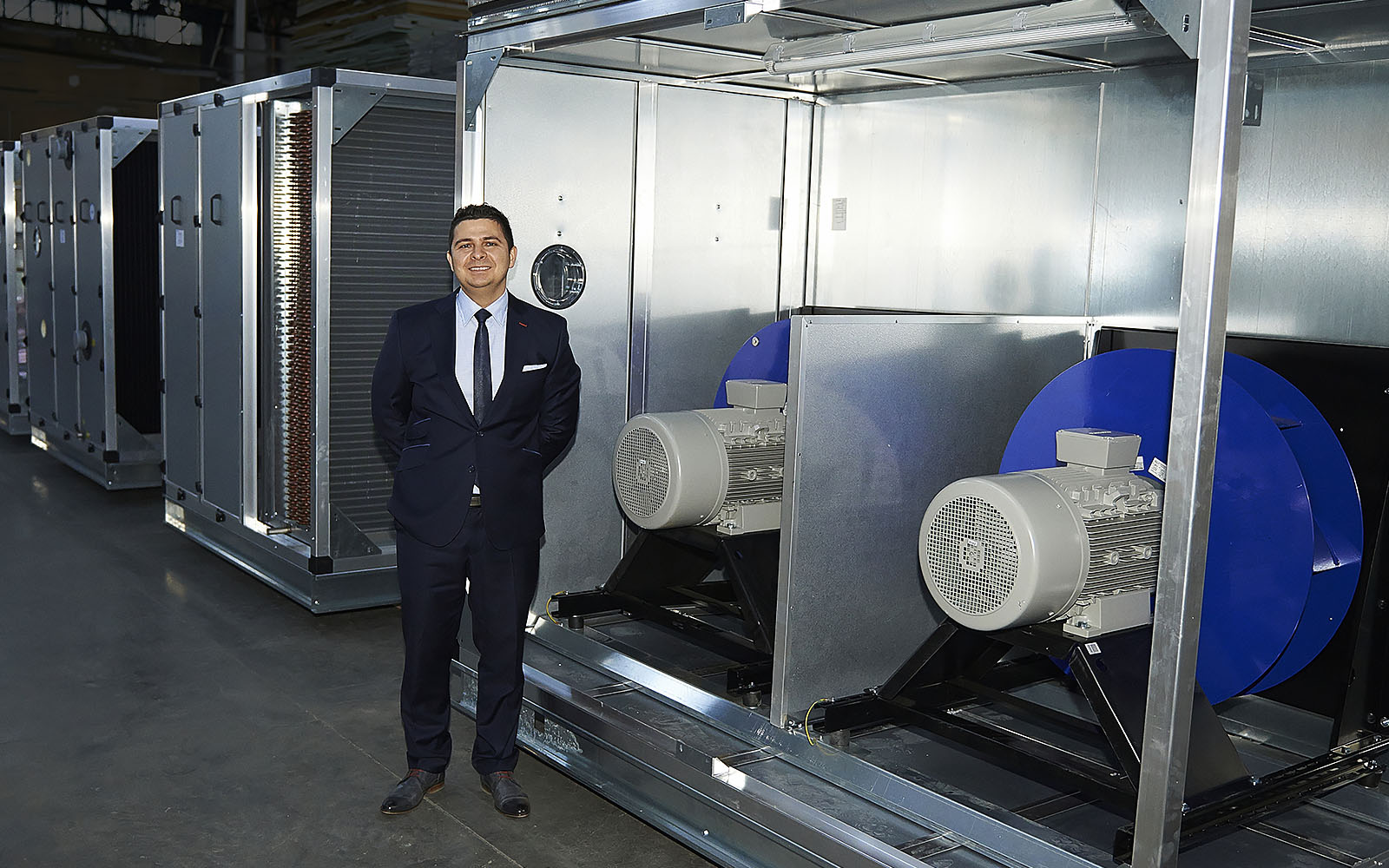
Effective mechanical ventilation based on an air-handling unit with heat recovery provides continuous air extraction and the regular removal of stale and contaminated air. The incoming air is also filtered, helping to prevent dust, dirt, pollen and microorganisms from entering the building.
Controlled air exchange
The range of ventilation products and system configurations available on the market has encouraged an increasing number of investors to replace traditional gravity ventilation with controlled mechanical systems.
Gravity ventilation removes warm air from a room through ventilation ducts and replaces it with unheated outside air. The difference between indoor and outdoor temperatures—particularly during winter—can result in substantial heat losses.
To reduce those losses, residents often seal their windows and limit the inflow of outside air. Although this may help retain heat, it can also significantly reduce the amount of fresh air entering the building and weaken the operation of the gravity ventilation system.
These problems can be avoided by using balanced supply-and-extract mechanical ventilation. Air exchange remains constant regardless of the weather or the temperature outside. A properly designed air-handling unit can also operate extremely quietly, without disturbing the occupants.
Heat recovery and lower heating costs
Lower heating costs are another important argument in favour of mechanical ventilation. This is possible when the installation incorporates an air-handling unit equipped with a heat-recovery exchanger.
Instead of allowing the energy contained in the extracted indoor air to escape, the system transfers a substantial part of that heat to the fresh air being drawn into the building. The incoming outside air therefore reaches the rooms at a higher temperature, reducing the amount of additional energy required to maintain comfortable conditions.
An air-handling unit with heat recovery uses energy from the extracted air to preheat the cold air drawn in from outside. Consequently, less energy is needed to maintain the required indoor temperature. In a well-insulated building, this can produce real savings that may reach as much as 50 percent.
The actual level of savings depends on the building, the efficiency of its insulation, the selected equipment, the quality of the installation and the way the system is operated. Nevertheless, heat recovery can significantly reduce the energy that would otherwise be lost through conventional ventilation.
Humidity under control
Continuous air exchange and stable indoor conditions also support the efficient removal of excess moisture. Damp walls, condensation on windows and permanently misted bathroom mirrors are often signs that the exchange of air is insufficient.
Prolonged moisture can lead to mould and fungal growth. An unpleasant, stale smell inside a building may also indicate that the ventilation system is not working correctly.
A balanced supply-and-extract air-handling unit addresses this problem by providing a constant supply of fresh air and the controlled removal of humid indoor air. With correctly designed mechanical ventilation, excessive moisture should no longer accumulate in the rooms. During winter, however, occupants may sometimes notice that the indoor air becomes too dry.
Air quality and everyday comfort
Most people spend a considerable part of every day inside enclosed spaces. Ventilation systems have therefore become an essential element of homes, workplaces, schools and public buildings, where they influence both the quantity and the quality of the air.
A well-designed mechanical ventilation system does more than replace stale air with fresh air. It filters the incoming air, helps control humidity, limits unnecessary heat losses and provides predictable performance throughout the year.
The system should be selected according to the size and function of the building, the number of occupants, the required airflow, acoustic expectations and the efficiency of the heat-recovery unit. Installation quality, access for servicing and regular filter replacement are equally important.
Choosing the correct solution makes it possible to create a stable and comfortable indoor climate while reducing energy consumption. Effective ventilation is therefore not merely a technical addition to a building—it is an important part of protecting the health, comfort and well-being of the people who use it.
Source: DOSPEL / Budujemy Dom construction portal, May 2013